Turning a personal passion into a thriving online business is the dream for many, offering not just financial independence but also immense personal satisfaction. In 2025, this journey from “side hustle to success” is more achievable than ever, thanks to accessible online tools, global reach, and the strategic integration of AI. However, it requires more than just passion; it demands a clear strategy, market validation, and consistent effort.
Here’s a blueprint for transforming your passion into a profitable online business:
I. Phase 1: Validating Your Passion (The Crucial First Step)
Don’t just jump in because you love something. Ensure there’s a market for it.
- Define Your Passion & Expertise Niche:
- Specificity is Key: Instead of “I love cooking,” perhaps it’s “I specialize in gluten-free baking for busy parents” or “I create traditional Ethiopian coffee ceremony tools.”
- Identify Your Unique Angle: What unique perspective, skill, or experience do you bring to your passion that others don’t?
- Market Research & Demand Validation:
- Google Trends: Search for keywords related to your niche. Is interest growing, stable, or declining?
- Keyword Research (e.g., Google Keyword Planner, Semrush, Ahrefs): Are people actively searching for solutions or products related to your passion? What are their pain points?
- Competitor Analysis: Who else is in this space? What are they doing well? Where are their gaps? How can you differentiate yourself? Don’t be discouraged by competition; it validates demand.
- Direct Engagement:
- Join online communities (Facebook groups, Reddit, forums) related to your passion. What questions do people ask? What problems do they face?
- Conduct informal surveys or interviews with potential customers. Ask about their needs, budget, and willingness to pay for your idea.
- Small-Scale Testing (Minimum Viable Product – MVP): Before investing heavily, create a simplified version of your product or service.
- Example: If you want to sell handmade jewelry, make a few pieces and sell them at a local market or through a simple Etsy shop. If you want to offer online coaching, offer a few free or low-cost sessions to gather feedback.
- Identify Your Business Model: How will you monetize your passion?
- Service-Based: Coaching, consulting, freelance writing/design/development, virtual assistance (e.g., if your passion is organization, offer virtual assistant services).
- Digital Products: Online courses, e-books, templates, digital art, printables, software/apps (e.g., if you love photography, sell presets; if you love journaling, sell digital planners).
- Physical Products (E-commerce):
- Handmade Goods: Sell crafts, art, custom items (e.g., jewelry, pottery, custom apparel).
- Curated/Niche Dropshipping/Print-on-Demand: Sell products related to your passion without holding inventory. This is good for testing product ideas (e.g., custom-designed t-shirts for specific hobbies).
- Content Creation & Monetization: Blogging, YouTube, podcasting (monetize through ads, affiliate marketing, sponsorships, or by selling your own products/services).
- Affiliate Marketing: Promote products or services related to your passion and earn a commission.
II. Phase 2: Setting Up Your Side Hustle (The Launchpad)
Start lean, learn fast, and build momentum.
- Define Your Target Audience: Who specifically benefits from your passion-turned-business? The more specific, the easier it is to market.
- Develop Your Brand & Unique Value Proposition (UVP):
- Brand Identity: What’s your name, logo, color palette, and brand voice? This should reflect your passion and resonate with your audience.
- UVP: Why should someone choose you over competitors? What unique benefit or solution do you offer?
- Choose Your Online Platform(s):
- E-commerce: Shopify, Etsy, WooCommerce (for WordPress), Gumroad (for digital products).
- Service-Based: Personal website (WordPress, Squarespace, Wix), LinkedIn, professional platforms (Upwork, Fiverr, Clarity.fm).
- Content Creation: WordPress (for blogs), YouTube, Substack (for newsletters), Anchor/Spotify for Podcasters.
- Online Courses: Teachable, Kajabi, Thinkific.
- Set Up Basic Legal & Financials:
- Separate Finances: Get a separate bank account for your business, even if it’s just a side hustle.
- Basic Registration: Research local business registration requirements.
- Understand Taxes: Keep meticulous records of income and expenses.
- Create Your Initial Offerings: Start with 1-3 core products or services that solve a clear problem. Don’t aim for perfection; aim for “good enough” to launch and get feedback.
- Pricing Strategy: Research competitor pricing, but also value your time and expertise. Consider tiered pricing for services or bundles for products.
- Basic Marketing:
- Leverage Existing Networks: Tell friends, family, and online communities about your new venture.
- Social Media: Choose 1-2 platforms where your target audience spends time and consistently share valuable content related to your passion and offerings.
- Email List: Start building an email list from day one by offering a valuable freebie (e.g., a mini-guide, checklist, template).
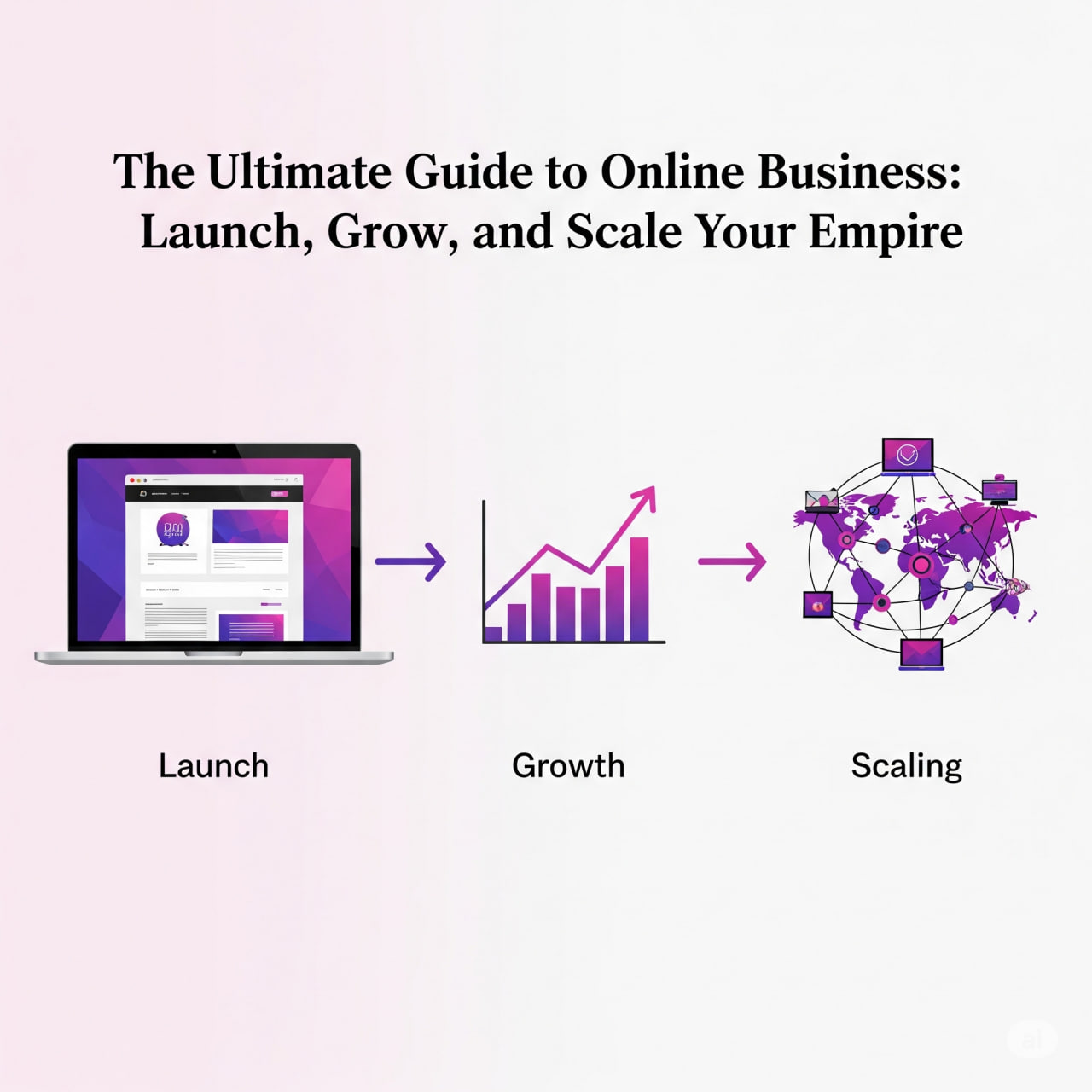
III. Phase 3: Growing & Scaling (From Hustle to Empire)
Once you have initial traction, focus on optimization and expansion.
- Listen to Your Customers (Feedback Loops):
- Actively solicit reviews and testimonials.
- Pay attention to questions and complaints – these are goldmines for new product ideas or improvements.
- Use analytics (Google Analytics, platform insights) to understand customer behavior on your website/platform.
- Optimize Your Sales Funnel & Conversion Rates:
- Website/Store Optimization: Continuously improve your website’s user experience, load speed, and clarity of message.
- A/B Testing: Test different headlines, calls to action, images, and pricing to see what converts best.
- Friction Reduction: Simplify checkout processes, streamline booking forms, and answer common questions upfront.
- Advanced Digital Marketing:
- Content Marketing: Create a content calendar. Consistent, high-quality content (blog posts, videos, podcasts) will drive organic traffic and establish authority.
- SEO (Search Engine Optimization): Optimize your website and content for keywords your audience uses.
- Paid Advertising (Strategically): Once you have clear conversion data, consider investing in targeted ads (Meta Ads, Google Ads) to reach a larger audience. Start small and scale based on ROI.
- Email Marketing Automation: Set up automated email sequences (welcome, abandoned cart, post-purchase, promotional). Segment your audience for personalized messages.
- Partnerships & Collaborations: Collaborate with other creators or businesses in complementary niches for cross-promotion.
- Influencer Marketing: Work with micro-influencers whose audience aligns with yours.
- Embrace Automation & AI:
- Marketing Automation: Tools for email sequences, social media scheduling, and ad campaign optimization.
- Customer Service AI: Chatbots to handle common inquiries, freeing up your time.
- Content Creation AI: Use AI writing assistants for brainstorming, drafting, and optimizing content.
- Operational Automation: Automate order fulfillment (for dropshipping), scheduling, or administrative tasks.
- Diversify Your Offerings:
- Once one product/service is successful, consider creating complementary ones (e.g., an e-book to go with your course, a premium coaching package after a successful mini-course).
- Explore different revenue streams (e.g., if you sell handmade goods, also offer workshops).
- Delegate & Outsource (The Key to Scaling):
- As your business grows, identify tasks that consume your time but aren’t your core passion or expertise (e.g., social media management, customer support, accounting, web development, video editing).
- Hire freelancers or virtual assistants on platforms like Upwork or Fiverr.
- Focus on what only you can do and what drives the most value.
- Financial Management for Growth:
- Reinvest Profits: Wisely reinvest a portion of your profits back into marketing, product development, or tools.
- Track KPIs: Monitor key performance indicators (e.g., website traffic, conversion rate, customer acquisition cost, average order value, profit margins).
- Regular Financial Review: Understand your cash flow and profitability.
IV. Common Pitfalls to Avoid
- Perfectionism Paralysis: Don’t wait for everything to be perfect. “Done is better than perfect” in the early stages.
- Ignoring Market Demand: Loving something doesn’t mean others will buy it. Validate demand before heavy investment.
- Lack of Clear Niche: Trying to serve “everyone” means serving no one effectively.
- Undervaluing Your Work: Especially with passion projects, it’s easy to underprice. Research, understand your value, and charge accordingly.
- Burnout: It’s a side hustle, then a business. Set boundaries, take breaks, and prioritize your well-being.
- Ignoring Data: Don’t rely on gut feelings alone. Let data guide your decisions.
- Poor Customer Service: A bad customer experience can quickly sink a growing business, especially online.
- Neglecting Marketing: Even the best product won’t sell itself. You need a consistent marketing effort.
By combining your passion with a strategic, data-driven approach and leveraging the powerful tools available in 2025, you can successfully transform your side hustle into a thriving online business that provides both financial freedom and immense personal fulfillment.