Category: Business

  • Global Reach, Local Impact: Building a Sustainable and Ethical Online Business

    Global Reach, Local Impact: Building a Sustainable and Ethical Online Business

    In 2025, building a successful online business means more than just profits; it means building a sustainable and ethical enterprise that leverages global reach for positive local impact. Consumers are increasingly discerning, demanding transparency, social responsibility, and environmental stewardship from the brands they support. This guide outlines how to weave these principles into the fabric of your online business from inception to scale.

    I. Defining Sustainability & Ethics in Your Online Business

    Before you build, define what these terms mean for your specific business.

    • Environmental Sustainability:
      • Reduced Carbon Footprint: Minimizing emissions from sourcing, production, shipping, and returns.
      • Resource Efficiency: Reducing waste, optimizing energy consumption (e.g., green web hosting, energy-efficient office equipment), and conserving water.
      • Circular Economy Principles: Designing products for reuse, repair, recycling, and minimizing raw material extraction.
    • Social & Ethical Responsibility:
      • Fair Labor Practices: Ensuring fair wages, safe working conditions, and no exploitation across your entire supply chain.
      • Community Engagement: Actively contributing to the well-being of local communities (where you operate or where products are sourced).
      • Transparency: Being open about your processes, sourcing, and impact.
      • Data Privacy & Security: Protecting customer data with robust security measures and clear privacy policies.
      • Inclusive Practices: Ensuring your products, marketing, and internal culture are inclusive and accessible to diverse populations.
      • Ethical AI Use: If using AI, ensuring it’s free from bias, used transparently, and respects user privacy.

    II. Building Your Sustainable & Ethical Online Business

    A. Sustainable Product & Service Development

    1. Conscious Sourcing:
      • Local Sourcing: Prioritize local suppliers where feasible. This reduces transportation emissions, supports local economies, allows for easier quality control, and fosters stronger relationships. Even a global business can source locally for certain components or services.
      • Ethical Global Sourcing: If global sourcing is necessary, rigorously vet suppliers for fair labor practices, environmental certifications, and transparent supply chains. Look for certifications like Fair Trade, B Corp, or specific industry standards.
      • Recycled/Upcycled Materials: Design products using recycled, upcycled, or renewable materials.
      • Longevity & Durability: Create products built to last, reducing the need for frequent replacements and minimizing waste.
    2. Product/Service Design for Impact:
      • Digital Products: Consider the energy consumption of data centers and optimize your digital assets for efficiency.
      • Services: If offering services, ensure your training, tools, and processes promote sustainable practices for your clients.
      • Subscription & Repair Models: Explore models that encourage reuse, repair, or subscription rather than constant new purchases.
      • Sustainable Packaging:
        • Eco-Friendly Materials: Use biodegradable, compostable, recycled, or recyclable packaging materials. Avoid single-use plastics.
        • Minimalism: Reduce excess packaging. Use custom-sized boxes to minimize void fill.
        • Education: Clearly label packaging materials for proper disposal by the customer.

    B. Ethical Operations & Supply Chain Management

    1. Transparent Supply Chain Mapping:
      • Utilize supply chain management software (e.g., SAP, Oracle, blockchain solutions like IBM’s Food Trust, VeChain) to gain end-to-end visibility.
      • Conduct regular audits and supplier assessments to ensure compliance with your ethical standards.
    2. Green Logistics & Shipping:
      • Carbon-Neutral Shipping Options: Partner with carriers that offer carbon offsetting programs or utilize electric/alternative fuel vehicles. Offer customers the option to pay a small fee to offset their delivery’s carbon footprint.
      • Route Optimization: Use AI-driven tools to optimize delivery routes, reducing fuel consumption and emissions.
      • Consolidated Shipping: Encourage customers to consolidate orders or choose slower, more environmentally friendly shipping options.
      • Local Pick-up Points: If applicable, offer local pick-up options to reduce last-mile delivery emissions.
    3. Waste Management:
      • Internal Practices: Implement robust recycling and composting programs in your office/warehouse.
      • Returns Management: Develop sustainable return processes, encouraging repair, donation, or recycling of returned items instead of immediate disposal. Improve product descriptions to reduce returns in the first place.
    4. Energy Efficiency:
      • Use energy-efficient equipment (LED lighting, smart heating/cooling).
      • Consider powering your operations with renewable energy sources (solar, wind).
      • Choose web hosting providers that use renewable energy or have strong sustainability commitments.
    5. Data Privacy & Security:
      • Compliance: Adhere to global data protection regulations (e.g., GDPR, CCPA).
      • Transparency: Clearly outline your data collection, usage, and storage practices in your privacy policy.
      • Robust Security: Invest in cybersecurity measures (encryption, multi-factor authentication, regular audits) to protect customer information.
      • Ethical AI Use: Ensure AI is used transparently and responsibly, avoiding biased algorithms or data exploitation.

    C. Global Reach, Local Impact Strategies

    1. Local Employment & Fair Wages:
      • If you have physical operations (even small ones), prioritize local hiring and ensure fair, living wages.
      • For global teams, ensure equitable pay standards and benefits regardless of geographical location.
    2. Community Investment & Partnerships:
      • Sponsor Local Initiatives: Support local charities, events, or community projects in areas relevant to your business or where your employees/suppliers are located.
      • Collaborate with Local Artisans/Producers: Feature and sell products from local artisans or small businesses on your platform, giving them global exposure.
      • Skill-Sharing Programs: Offer free workshops or mentorship related to your expertise to local community members.
    3. “Buy Local” Promotion (Even for Global Businesses):
      • Highlight when products or components are locally sourced.
      • Create content that educates customers on the benefits of supporting local economies.
    4. Philanthropy & Cause-Related Marketing:
      • “1% for the Planet” or Similar: Donate a percentage of profits to environmental or social causes.
      • Impact-Driven Products: Develop products where a portion of sales directly benefits a specific local community or cause.
      • Transparent Reporting: Clearly communicate your philanthropic efforts and their impact to your customers.
    5. Cultural Sensitivity & Inclusive Marketing:
      • When reaching global audiences, ensure your marketing and content are culturally appropriate, respectful, and inclusive.
      • Avoid stereotypes and ensure diverse representation in your imagery and messaging.
      • Translate and localize content beyond just language, adapting it to local customs and preferences.

    IV. Measuring & Communicating Your Impact

    Transparency is key to building trust and credibility.

    1. Set Measurable Goals (KPIs):
      • Environmental: Carbon footprint (GHG emissions), waste reduction percentage, energy consumption, percentage of sustainable materials used.
      • Social: Fair wage audits, employee satisfaction, community investment metrics (hours volunteered, funds donated), supplier audit scores.
      • Economic: Local supplier spend, percentage of revenue reinvested in sustainable practices.
    2. Utilize Tools for Impact Measurement:
      • Carbon Footprint Calculators: Tools like Planet (Shopify app), EcoCart, or dedicated sustainability software can help track and offset emissions.
      • Supply Chain Transparency Tools: Blockchain and other traceability software.
      • Impact Reporting Frameworks: Consider B Corp Certification or aligning with frameworks like the UN Sustainable Development Goals (SDGs) for comprehensive reporting.
    3. Communicate Your Story Authentically:
      • Dedicated Impact Page: Create a prominent section on your website detailing your sustainability and ethical commitments, goals, and progress.
      • Annual Impact Reports: For larger businesses, publish annual reports outlining your social and environmental performance.
      • Marketing Campaigns: Weave your sustainable and ethical values into your marketing messages (emails, social media, product descriptions).
      • Behind-the-Scenes Content: Share photos and videos of your ethical sourcing, fair labor practices, or community initiatives.
      • Be Honest About Challenges: Acknowledge areas where you are still working to improve. Authenticity builds more trust than claiming perfection.

    Building a sustainable and ethical online business in 2025 is not just a trend; it’s a fundamental shift in how businesses operate. By integrating global reach with genuine local impact, you can create a resilient, profitable, and deeply meaningful enterprise that resonates with conscious consumers and contributes positively to the world.

  • From Side Hustle to Success: Turning Your Passion into a Profitable Online Business

    From Side Hustle to Success: Turning Your Passion into a Profitable Online Business

    Turning a personal passion into a thriving online business is the dream for many, offering not just financial independence but also immense personal satisfaction. In 2025, this journey from “side hustle to success” is more achievable than ever, thanks to accessible online tools, global reach, and the strategic integration of AI. However, it requires more than just passion; it demands a clear strategy, market validation, and consistent effort.

    Here’s a blueprint for transforming your passion into a profitable online business:

    I. Phase 1: Validating Your Passion (The Crucial First Step)

    Don’t just jump in because you love something. Ensure there’s a market for it.

    1. Define Your Passion & Expertise Niche:
      • Specificity is Key: Instead of “I love cooking,” perhaps it’s “I specialize in gluten-free baking for busy parents” or “I create traditional Ethiopian coffee ceremony tools.”
      • Identify Your Unique Angle: What unique perspective, skill, or experience do you bring to your passion that others don’t?
    2. Market Research & Demand Validation:
      • Google Trends: Search for keywords related to your niche. Is interest growing, stable, or declining?
      • Keyword Research (e.g., Google Keyword Planner, Semrush, Ahrefs): Are people actively searching for solutions or products related to your passion? What are their pain points?
      • Competitor Analysis: Who else is in this space? What are they doing well? Where are their gaps? How can you differentiate yourself? Don’t be discouraged by competition; it validates demand.
      • Direct Engagement:
        • Join online communities (Facebook groups, Reddit, forums) related to your passion. What questions do people ask? What problems do they face?
        • Conduct informal surveys or interviews with potential customers. Ask about their needs, budget, and willingness to pay for your idea.
      • Small-Scale Testing (Minimum Viable Product – MVP): Before investing heavily, create a simplified version of your product or service.
        • Example: If you want to sell handmade jewelry, make a few pieces and sell them at a local market or through a simple Etsy shop. If you want to offer online coaching, offer a few free or low-cost sessions to gather feedback.
    3. Identify Your Business Model: How will you monetize your passion?
      • Service-Based: Coaching, consulting, freelance writing/design/development, virtual assistance (e.g., if your passion is organization, offer virtual assistant services).
      • Digital Products: Online courses, e-books, templates, digital art, printables, software/apps (e.g., if you love photography, sell presets; if you love journaling, sell digital planners).
      • Physical Products (E-commerce):
        • Handmade Goods: Sell crafts, art, custom items (e.g., jewelry, pottery, custom apparel).
        • Curated/Niche Dropshipping/Print-on-Demand: Sell products related to your passion without holding inventory. This is good for testing product ideas (e.g., custom-designed t-shirts for specific hobbies).
      • Content Creation & Monetization: Blogging, YouTube, podcasting (monetize through ads, affiliate marketing, sponsorships, or by selling your own products/services).
      • Affiliate Marketing: Promote products or services related to your passion and earn a commission.

    II. Phase 2: Setting Up Your Side Hustle (The Launchpad)

    Start lean, learn fast, and build momentum.

    1. Define Your Target Audience: Who specifically benefits from your passion-turned-business? The more specific, the easier it is to market.
    2. Develop Your Brand & Unique Value Proposition (UVP):
      • Brand Identity: What’s your name, logo, color palette, and brand voice? This should reflect your passion and resonate with your audience.
      • UVP: Why should someone choose you over competitors? What unique benefit or solution do you offer?
    3. Choose Your Online Platform(s):
      • E-commerce: Shopify, Etsy, WooCommerce (for WordPress), Gumroad (for digital products).
      • Service-Based: Personal website (WordPress, Squarespace, Wix), LinkedIn, professional platforms (Upwork, Fiverr, Clarity.fm).
      • Content Creation: WordPress (for blogs), YouTube, Substack (for newsletters), Anchor/Spotify for Podcasters.
      • Online Courses: Teachable, Kajabi, Thinkific.
    4. Set Up Basic Legal & Financials:
      • Separate Finances: Get a separate bank account for your business, even if it’s just a side hustle.
      • Basic Registration: Research local business registration requirements.
      • Understand Taxes: Keep meticulous records of income and expenses.
    5. Create Your Initial Offerings: Start with 1-3 core products or services that solve a clear problem. Don’t aim for perfection; aim for “good enough” to launch and get feedback.
    6. Pricing Strategy: Research competitor pricing, but also value your time and expertise. Consider tiered pricing for services or bundles for products.
    7. Basic Marketing:
      • Leverage Existing Networks: Tell friends, family, and online communities about your new venture.
      • Social Media: Choose 1-2 platforms where your target audience spends time and consistently share valuable content related to your passion and offerings.
      • Email List: Start building an email list from day one by offering a valuable freebie (e.g., a mini-guide, checklist, template).

    III. Phase 3: Growing & Scaling (From Hustle to Empire)

    Once you have initial traction, focus on optimization and expansion.

    1. Listen to Your Customers (Feedback Loops):
      • Actively solicit reviews and testimonials.
      • Pay attention to questions and complaints – these are goldmines for new product ideas or improvements.
      • Use analytics (Google Analytics, platform insights) to understand customer behavior on your website/platform.
    2. Optimize Your Sales Funnel & Conversion Rates:
      • Website/Store Optimization: Continuously improve your website’s user experience, load speed, and clarity of message.
      • A/B Testing: Test different headlines, calls to action, images, and pricing to see what converts best.
      • Friction Reduction: Simplify checkout processes, streamline booking forms, and answer common questions upfront.
    3. Advanced Digital Marketing:
      • Content Marketing: Create a content calendar. Consistent, high-quality content (blog posts, videos, podcasts) will drive organic traffic and establish authority.
      • SEO (Search Engine Optimization): Optimize your website and content for keywords your audience uses.
      • Paid Advertising (Strategically): Once you have clear conversion data, consider investing in targeted ads (Meta Ads, Google Ads) to reach a larger audience. Start small and scale based on ROI.
      • Email Marketing Automation: Set up automated email sequences (welcome, abandoned cart, post-purchase, promotional). Segment your audience for personalized messages.
      • Partnerships & Collaborations: Collaborate with other creators or businesses in complementary niches for cross-promotion.
      • Influencer Marketing: Work with micro-influencers whose audience aligns with yours.
    4. Embrace Automation & AI:
      • Marketing Automation: Tools for email sequences, social media scheduling, and ad campaign optimization.
      • Customer Service AI: Chatbots to handle common inquiries, freeing up your time.
      • Content Creation AI: Use AI writing assistants for brainstorming, drafting, and optimizing content.
      • Operational Automation: Automate order fulfillment (for dropshipping), scheduling, or administrative tasks.
    5. Diversify Your Offerings:
      • Once one product/service is successful, consider creating complementary ones (e.g., an e-book to go with your course, a premium coaching package after a successful mini-course).
      • Explore different revenue streams (e.g., if you sell handmade goods, also offer workshops).
    6. Delegate & Outsource (The Key to Scaling):
      • As your business grows, identify tasks that consume your time but aren’t your core passion or expertise (e.g., social media management, customer support, accounting, web development, video editing).
      • Hire freelancers or virtual assistants on platforms like Upwork or Fiverr.
      • Focus on what only you can do and what drives the most value.
    7. Financial Management for Growth:
      • Reinvest Profits: Wisely reinvest a portion of your profits back into marketing, product development, or tools.
      • Track KPIs: Monitor key performance indicators (e.g., website traffic, conversion rate, customer acquisition cost, average order value, profit margins).
      • Regular Financial Review: Understand your cash flow and profitability.

    IV. Common Pitfalls to Avoid

    1. Perfectionism Paralysis: Don’t wait for everything to be perfect. “Done is better than perfect” in the early stages.
    2. Ignoring Market Demand: Loving something doesn’t mean others will buy it. Validate demand before heavy investment.
    3. Lack of Clear Niche: Trying to serve “everyone” means serving no one effectively.
    4. Undervaluing Your Work: Especially with passion projects, it’s easy to underprice. Research, understand your value, and charge accordingly.
    5. Burnout: It’s a side hustle, then a business. Set boundaries, take breaks, and prioritize your well-being.
    6. Ignoring Data: Don’t rely on gut feelings alone. Let data guide your decisions.
    7. Poor Customer Service: A bad customer experience can quickly sink a growing business, especially online.
    8. Neglecting Marketing: Even the best product won’t sell itself. You need a consistent marketing effort.

    By combining your passion with a strategic, data-driven approach and leveraging the powerful tools available in 2025, you can successfully transform your side hustle into a thriving online business that provides both financial freedom and immense personal fulfillment.

  • Upwork Pro: Advanced Tips and Hacks for High-Earning Freelancers

    Upwork Pro: Advanced Tips and Hacks for High-Earning Freelancers

    For high-earning freelancers, Upwork in 2025 is less about basic profile setup and more about strategic positioning, leveraging advanced features, nurturing client relationships, and continually upskilling. The platform increasingly favors specialists, those with proven track records, and those who can effectively integrate AI into their offerings

    Here are advanced tips and hacks for Upwork Pros to maximize income and career growth:

    I. Strategic Profile Optimization & Specialization

    1. Deep Specialization with Multiple Profiles:
      • Go Beyond Niche: Instead of just “Web Developer,” create specialized profiles like “React.js Frontend Engineer for SaaS Startups” or “Shopify Theme Developer for E-commerce Brands.” Upwork’s algorithm increasingly matches highly specific skills.
      • Leverage AI for Keyword Optimization: Use AI tools to analyze your target clients’ job descriptions for high-value keywords and incorporate them naturally into your specialized profile headlines, overviews, and skill tags.
    2. Quantify Everything in Your Portfolio & Overview:
      • Impact-Driven Metrics: Don’t just list tasks. Instead of “Developed a website,” say “Developed a responsive e-commerce website that increased conversion rates by 25% and reduced bounce rate by 10% for a fashion brand.”
      • Case Studies: For high-value projects, create detailed case studies within your portfolio. Outline the client’s problem, your solution, the tools/technologies used, and the quantifiable results. This demonstrates your thinking process and value.
    3. Project Catalog Optimization (Your “Productized Services”):
      • High-Value Packages: Create Project Catalog offerings for your most in-demand, clearly defined services. These should be high-value, fixed-price packages.
      • Tiered Pricing: Offer different tiers (Basic, Standard, Premium) with clear deliverables and pricing, allowing clients to self-select.
      • Compelling Visuals & Video: Use high-quality images and a short, engaging video introduction for each Project Catalog entry to stand out.
      • SEO-Friendly Titles & Tags: Optimize your Project Catalog titles and search tags with keywords clients would use to find your specific service.
      • Promote Your Project Catalog: Share direct links to your Project Catalog services on your LinkedIn, social media, and personal website.
    4. Leverage Upwork Badges Strategically:
      • Top Rated Plus & Expert-Vetted: These are your golden tickets. Focus on landing and successfully completing large ($10,000+) or long-term contracts to earn Top Rated Plus. Expert-Vetted is invite-only and signifies the top 1% of talent, often leading to private invites from enterprise clients. Understand their specific criteria and work towards them.
      • Benefits: These badges offer higher visibility in search results, exclusive job invites, faster payments, and priority support.

    II. Advanced Proposal & Connects Management

    1. Hyper-Personalized Proposals (Beyond the Obvious):
      • Deep Dive into Client History: If available, check the client’s past hires, previous job posts, and reviews left for other freelancers. This provides immense insight into their communication style, what they value, and potential red flags.
      • Reference Their Business: Show you’ve visited their website, LinkedIn, or even their product. “I saw your company [X] recently launched [Y product], and my expertise in [Z] would be perfect for this next phase.”
      • Address Specific Concerns: If the job post mentions a past negative experience or a specific challenge, directly address how you’d prevent or overcome that.
      • “What’s In It For Them” Always: Every sentence should translate your skill into a tangible benefit for the client (e.g., “My [skill] will help you [achieve X result], leading to [Y benefit like increased revenue, saved time, reduced costs].”)
    2. Strategic Connects Bidding & Boosting:
      • Value Over Volume: Don’t waste Connects on jobs that are not a perfect fit or have low budgets. Apply only to high-value, well-defined projects where you genuinely excel.
      • Analyze Competitor Bids (Freelancer Plus Feature): If you have Freelancer Plus, use the ability to see competitor bid ranges. This allows you to position your bid competitively but also confidently, ensuring you’re not underpricing yourself or drastically overpricing if the market won’t bear it.
      • Smart Boosting: For truly ideal, high-paying jobs where you are a top-tier candidate, strategically use the “Boost” feature to place your proposal higher. Test small boosts first to see their effectiveness.
    3. Video Proposals: For select high-value jobs, record a short, personalized video proposal (1-2 minutes). This builds rapport, showcases your personality, and helps you stand out from text-only applications. Mention specific details from their job post to prove it’s customized.
    4. Offer a Discovery Call/Mini-Audit: Instead of just applying, offer a free 15-minute discovery call to discuss their needs or even a quick (non-billable) mini-audit of their current situation, demonstrating your expertise and problem-solving approach upfront.

    III. Client Relationship Management (CRM) for Repeat Business

    1. Proactive Communication & Expectation Setting:
      • Detailed Onboarding: For new clients, have a clear onboarding process that outlines your communication style, working hours, preferred tools, and revision policies.
      • Scope Management: Clearly define project scope from the start. If client requests go beyond the original agreement, politely explain the impact on time/cost and propose a contract modification before proceeding.
      • Regular Updates: Provide consistent, concise updates on progress, milestones, and any potential roadblocks. Use Loom for quick video updates.
    2. Over-Deliver & Anticipate Needs:
      • Go the Extra Mile: Deliver high-quality work, on time (or early). Look for opportunities to add small, unexpected value without over-extending yourself.
      • Proactive Problem Solving: Don’t just report problems; propose solutions.
      • Anticipate Future Needs: Based on their current project, suggest ways you can help them with future needs or related projects.
    3. Foster Long-Term Relationships:
      • Ask for Direct Contracts: Once a strong relationship is established and they’re a recurring client, discuss moving to a Direct Contract (0% Upwork fees for you, lower fees for them). This is a win-win.
      • Regular Check-ins: For long-term clients, schedule quarterly or semi-annual check-ins beyond project-specific calls to discuss their overall business goals and how you can continue to support them.
      • Referrals: Encourage satisfied clients to refer you to their network (both on and off Upwork).
    4. Strategic Review Management:
      • Always Aim for 5 Stars: Your JSS is critical. Focus on delivering 5-star experiences consistently.
      • Request Specific Feedback: After a successful project, politely ask the client to highlight specific positive outcomes in their review.
      • Address Negative Feedback Gracefully: If you receive less-than-perfect feedback, respond professionally and constructively. Future clients see how you handle criticism.

    IV. Leveraging AI and Advanced Tools

    1. AI for Efficiency (Not Replacement):
      • Proposal Drafting: Use AI to brainstorm proposal outlines, rephrase sentences, or generate initial drafts, but always personalize and heavily edit.
      • Content Generation: AI can help with initial drafts of blog posts, social media captions, or email sequences related to your service.
      • Research: Accelerate market research, competitor analysis, or learning new concepts.
      • Code Generation/Debugging (for developers): AI can significantly speed up coding tasks.
      • Visual Enhancement: AI tools for image editing, background removal, or generating mockups.
    2. Upwork’s “Uma” (Mindful AI – Freelancer Plus): Leverage Upwork’s integrated AI assistant for insights, recommendations, and streamlining workflows.
    3. Project Management & CRM Beyond Upwork:
      • External CRM: For managing leads, nurturing long-term client relationships, and tracking follow-ups outside Upwork for direct contracts (e.g., HubSpot CRM, Zoho CRM, Notion-based CRM).
      • Time Tracking & Productivity Apps: Use advanced time trackers (e.g., Rize) that provide AI-powered insights into your focus, distractions, and work patterns.
      • Automation Tools (Zapier, Make.com): Integrate Upwork notifications with your calendar, project management tools, or CRM to automate workflows (e.g., new job post alert to a specific Slack channel).

    V. Financial Acumen & Growth Mindset

    1. Dynamic Rate Negotiation:
      • Value-Based Pricing: Move away from hourly rates to project-based or value-based pricing. Charge for the outcome and the value you deliver, not just your time.
      • Scheduled Rate Increases: For long-term contracts, include a clause for rate increases after a certain period or upon achieving specific milestones.
      • Justify Your Rate: When negotiating, emphasize your unique skills, proven track record, and the quantifiable ROI you bring. “My rate reflects the 20% increase in lead generation I achieved for my last client.”
    2. Diversify Income Streams: Don’t rely solely on Upwork. Use it as a powerful lead generation engine, but also explore:
      • Direct Clients: Nurture relationships to convert Upwork clients into direct ones (after the required 2-year non-circumvention period or paying the opt-out fee).
      • Personal Website & SEO: Drive organic leads to your own site.
      • Referral Network: Cultivate a strong referral network.
      • Digital Products/Courses: Monetize your expertise through e-books, templates, or online courses.
    3. Continuous Investment in Yourself:
      • High-Value Skills: Prioritize learning the most in-demand skills highlighted by Upwork’s annual reports (e.g., Generative AI modeling, AI data annotation, supply chain & logistics project management, qualitative research, personal/career coaching).
      • Specialized Certifications: Invest in industry-recognized certifications that validate your expertise and justify higher rates.
      • Mentorship/Coaching: Consider hiring a business coach or mentor to help you navigate growth and strategy.

    By adopting these advanced tips and embracing the evolving landscape of freelance work, Upwork Pros can solidify their position as high-earning, in-demand talent.

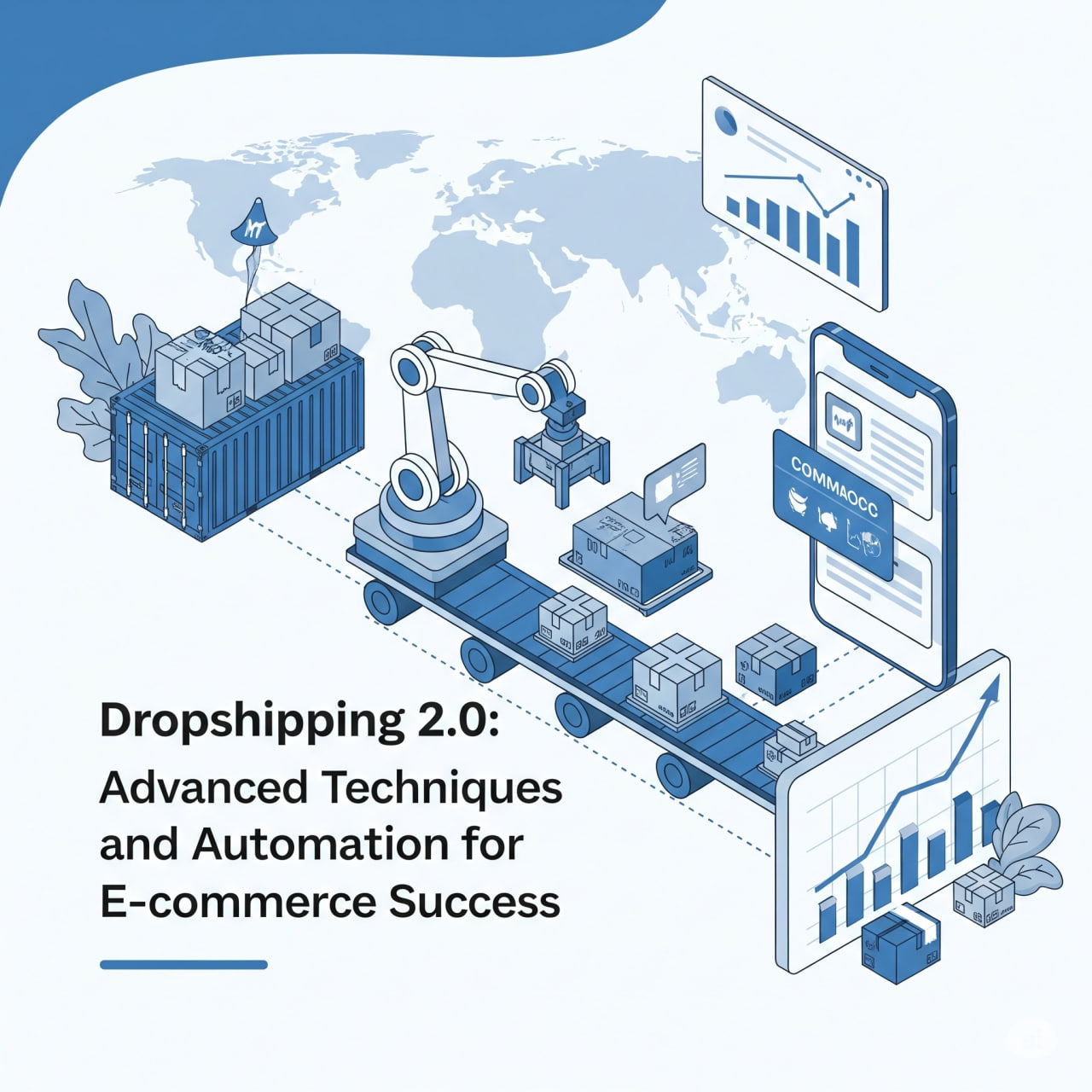
  • Dropshipping 2.0: Advanced Techniques and Automation for E-commerce Success

    Dropshipping 2.0: Advanced Techniques and Automation for E-commerce Success

    “Dropshipping 2.0” in 2025 signifies a significant evolution from the basic model of the past. Success now hinges on sophisticated techniques, extensive automation, and a deep understanding of customer experience, all amplified by the power of Artificial Intelligence (AI). It’s no longer just about finding cheap products on AliExpress; it’s about building a brand, optimizing operations, and leveraging data for sustainable growth.

    Here’s an ultimate guide to “Dropshipping 2.0” in 2025:

    I. The Pillars of Dropshipping 2.0

    1. Brand Building & Niche Specialization: Generic stores are dead. Success comes from focusing on a specific niche and cultivating a strong, identifiable brand that resonates with your target audience.
    2. Customer-Centricity: Fast shipping, transparent communication, and exceptional customer service are paramount. The customer experience (CX) is a primary differentiator.
    3. Advanced Automation & AI Integration: AI isn’t just a buzzword; it’s a foundational technology for optimizing every aspect of the business, from product research to marketing and customer support.
    4. Diversified Supplier Relationships: Relying on a single source, especially from common platforms like AliExpress, is risky. Building relationships with multiple, reliable suppliers (local, niche, or private label) is crucial.
    5. Data-Driven Decision Making: Every decision, from product selection to ad spend, should be informed by robust data analysis.

    II. Advanced Techniques for E-commerce Success

    A. Niche Selection & Product Research (Deep Dive)

    • Micro-Niche Domination: Instead of “pet supplies,” consider “eco-friendly dog toys” or “cat furniture for small apartments.” The narrower the niche, the easier it is to target and differentiate.
    • Problem-Solving Products: Focus on products that genuinely solve a specific problem or cater to an unfulfilled need.
    • Trending Evergreen Products: Use AI-powered tools (e.g., Spocket, AutoDS, specific product research features within e-commerce platforms) to identify products with consistent demand that also have trending sub-categories.
      • Hot Niches for 2025: Sustainable living products, smart home gadgets, personalized items, health and wellness, remote work essentials, specialty fashion (e.g., plus-size, sustainable clothing), niche beauty, and artisanal/craft supplies continue to show strong growth.
    • Supplier Diversification & Quality Control:
      • Beyond AliExpress: Explore platforms like Spocket (US/EU suppliers), CJDropshipping (comprehensive sourcing), SaleHoo (directory of verified suppliers), and direct contact with manufacturers for private label opportunities.
      • Order Samples RELENTLESSLY: Before launching, order samples from every potential supplier to verify product quality, packaging, and shipping times. This is non-negotiable.
      • Supplier Performance Monitoring: Use automated tools to track metrics like order accuracy, delivery speed, and return rates across different suppliers to identify underperformers.

    B. Branding & Storefront Optimization

    • Build a Brand Story: Your brand needs a compelling narrative that connects with your target audience on an emotional level.
    • High-Quality Visuals: Invest in professional product photography and video. Use AI tools like Flair to enhance product images, remove backgrounds, or generate realistic lifestyle shots from stock photos.
    • Personalized Product Recommendations: Implement AI-driven recommendation engines on your store (often built into platforms like Shopify with relevant apps) to suggest relevant products based on Browse history and purchase behavior, increasing Average Order Value (AOV).
    • User-Generated Content (UGC): Encourage customers to share photos/videos of your products in use. This builds trust and provides authentic marketing material.
    • Optimize for Mobile: Ensure your store is lightning-fast and flawlessly navigable on mobile devices, as most traffic will come from smartphones.

    C. Advanced Marketing & Conversion Strategies

    • Hyper-Targeted Paid Ads with AI:
      • Meta Ads (Facebook/Instagram): Leverage AI features for advanced audience segmentation, lookalike audiences, and dynamic creative optimization. AI can predict which creatives and audiences will perform best.
      • Google Shopping Ads & Performance Max: Crucial for capturing high-intent buyers. Performance Max campaigns, leveraging AI, can automate bidding and ad delivery across Google’s entire network.
      • TikTok Ads: Essential for reaching younger demographics with engaging, short-form video content. AI helps with trend identification and creative optimization.
      • Sophisticated Retargeting: Segment retargeting audiences based on specific actions (e.g., viewed a product but didn’t add to cart, added to cart but didn’t complete purchase) and tailor ad messages accordingly.
    • SEO & Content Marketing for Authority:
      • Niche Authority: Create valuable content (blog posts, guides, comparison articles, videos) around your niche keywords. This builds organic traffic, establishes you as an expert, and improves SEO.
      • AI for Content Generation: Use AI writing assistants (e.g., Gemini, Jasper, Copy.ai) to generate blog post ideas, outlines, first drafts, and optimize product descriptions for SEO keywords.
      • Video SEO: Optimize YouTube videos (titles, descriptions, tags) for discoverability, driving traffic to your store.
    • Sophisticated Email & SMS Marketing:
      • Advanced Segmentation: Segment customers by purchase history, Browse behavior, engagement levels, and even predicted future behavior.
      • Hyper-Personalized Flows: Beyond basic welcome and abandoned cart sequences, create flows for specific events: “first-time buyer,” “loyal customer,” “at-risk customer,” “complementary product suggestions.”
      • SMS Marketing: Use SMS for time-sensitive offers, shipping updates, and quick customer support.
      • Automated Review Requests: Automatically send requests for product reviews after delivery.
    • Influencer Marketing 2.0: Focus on micro and nano-influencers whose audiences are highly engaged and relevant to your niche. Prioritize authenticity and long-term partnerships over one-off campaigns. Look for influencers who genuinely use and love your products.
    • Subscription Models & Bundling:
      • Subscription Boxes: For consumable or regularly needed products (e.g., pet treats, beauty products). This creates recurring revenue and customer loyalty.
      • Product Bundling: Offer complementary products together at a slight discount to increase AOV (e.g., “desk setup bundle” for remote workers).
    • Upselling & Cross-selling: Strategically place upsell (higher-priced version) and cross-sell (complementary items) offers at checkout or on product pages.

    III. Automation & AI for Operational Excellence

    Automation and AI are the backbone of a scalable Dropshipping 2.0 business.

    1. AI-Powered Product Research & Trend Prediction:
      • Tools analyze vast amounts of market data, social media trends, and competitor activities to identify winning products before they become saturated.
      • Predict demand fluctuations and suggest niche opportunities.
    2. Dynamic Pricing Optimization:
      • AI algorithms analyze competitor pricing, seasonal trends, customer buying behavior, and supplier costs to dynamically adjust your product prices for maximum profit.
      • Tools like Sniffie can automate this.
    3. Automated Order Fulfillment & Inventory Syncing:
      • Tools like DSers, Spocket, CJDropshipping, and AutoDS automatically send orders to suppliers, sync inventory levels in real-time, and update tracking information. This prevents overselling out-of-stock items.
      • Multi-Supplier Automation: Automatically route orders to the supplier with the best price, fastest shipping, or available stock.
    4. Customer Service Automation with AI Chatbots:
      • 24/7 Instant Support: AI chatbots (e.g., Tidio, CustomGPT.ai) handle common customer inquiries (order status, FAQs, basic returns) autonomously.
      • Personalized Responses: Chatbots can access order history and customer data to provide more relevant answers.
      • Seamless Hand-off: Complex issues are seamlessly escalated to human support agents.
    5. Marketing Automation:
      • Email & SMS Flows: Automate welcome emails, abandoned cart reminders, post-purchase follow-ups, and promotional campaigns.
      • Ad Campaign Optimization: AI assists with bidding, audience targeting, and creative testing for paid ads, maximizing Return on Ad Spend (ROAS).
    6. Review Management Automation:
      • Automatically send review requests to customers after delivery.
      • Integrate with review platforms to display social proof on your store.
    7. Fraud Prevention: AI-driven security systems analyze purchasing behavior to detect and prevent fraudulent transactions and chargebacks.
    8. Automated Financial Management: Integrate with accounting software (e.g., QuickBooks Online, Xero) for automated invoicing, expense tracking, and reconciliation.

    IV. Overcoming Dropshipping 2.0 Challenges

    • Shipping Times & Transparency: Be explicit about shipping times on product pages, at checkout, and in confirmation emails. Manage customer expectations upfront. Consider offering expedited shipping options from premium suppliers.
    • Returns & Refunds: Develop a clear, straightforward, and easy-to-understand return policy. Automate the return portal where customers can initiate returns, generate labels, and receive updates. This reduces customer frustration and support load.
    • Product Quality & Consistency: Vet suppliers rigorously. Order samples. Read reviews. Maintain relationships with multiple suppliers to mitigate risks. Consider private labeling for greater control over quality.
    • Regulations & Taxes: Stay updated on e-commerce regulations, particularly cross-border VAT/sales tax rules (e.g., IOSS in the EU). Use apps or consult with tax professionals to ensure compliance.
    • Customer Support: Even with AI, human oversight is crucial. Ensure your support team is well-trained, empathetic, and empowered to resolve complex issues efficiently.

    Dropshipping 2.0 is about building a professional, efficient, and customer-centric online business. By strategically leveraging advanced techniques, embracing automation, and integrating AI at every stage, you can transform the traditional dropshipping model into a highly profitable and scalable e-commerce empire.

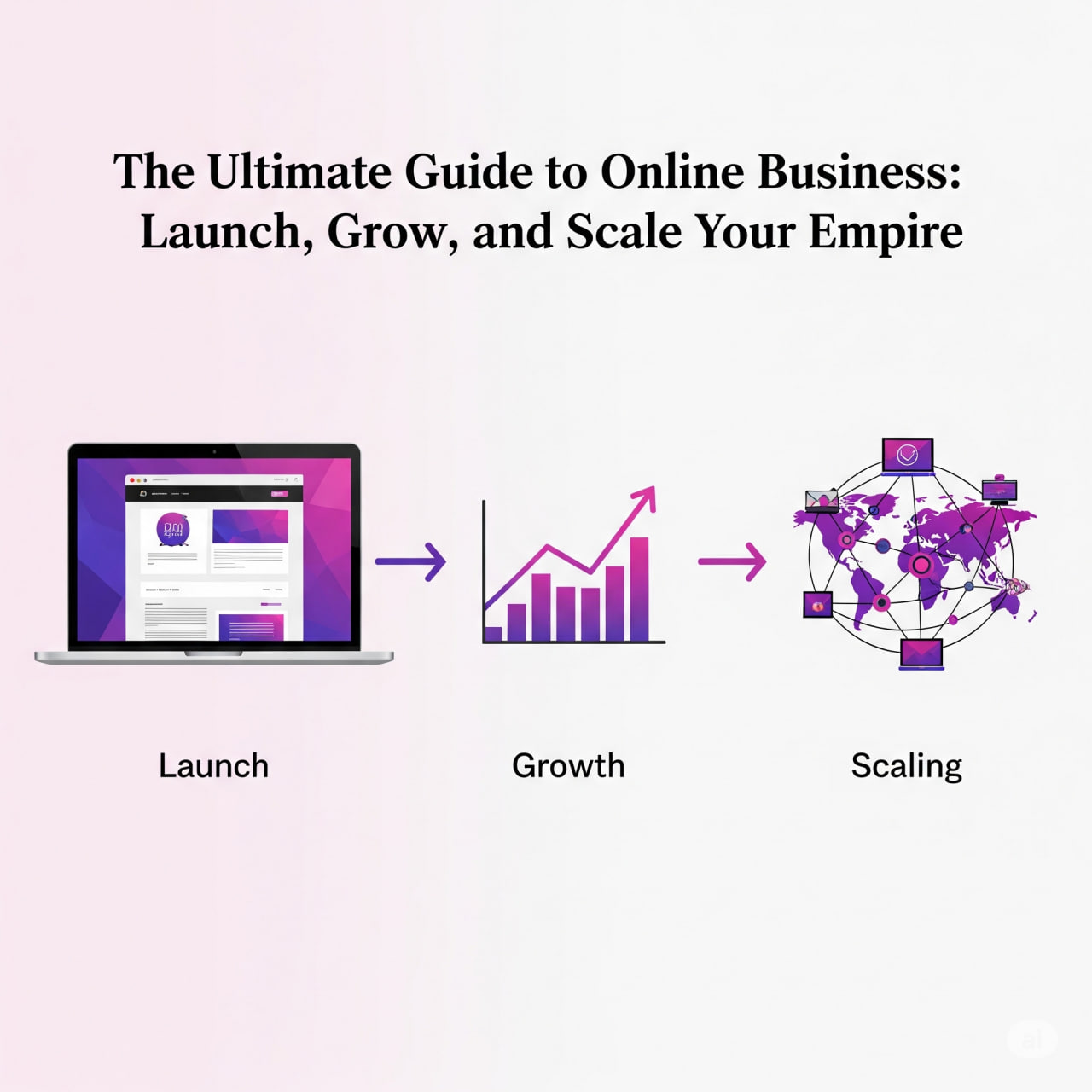
  • The Ultimate Guide to Online Business: Launch, Grow, and Scale Your Empire

    The Ultimate Guide to Online Business: Launch, Grow, and Scale Your Empire

    The online business landscape in 2025 is characterized by rapid technological advancements, evolving consumer behavior, and a strong emphasis on personalized experiences. To launch, grow, and scale a successful online empire from scratch, entrepreneurs need to be agile, data-driven, and adept at leveraging AI and automation.

    Here’s an ultimate guide to navigating the modern online business world:

    I. Launching Your Online Business: The Foundation

    1. Idea Generation & Niche Selection

    • Identify a Problem to Solve: Successful businesses address a specific pain point or unfulfilled need.
    • Leverage Your Passions & Expertise: Building a business around something you genuinely care about increases your motivation and authenticity.
    • Market Research (Crucial in 2025):
      • Google Trends: Identify rising trends and consumer interest.
      • Keyword Research (Semrush, Ahrefs, Google Keyword Planner): Discover what people are searching for and the competition level.
      • Competitor Analysis: Analyze existing businesses in your niche. What are they doing well? Where are their gaps? How can you differentiate?
      • Surveys & Interviews: Directly ask potential customers about their preferences, pain points, and buying habits.
    • Define Your Unique Value Proposition (UVP): What makes your product or service distinctly better or different from the competition? This should be clear, concise, and compelling.
    • Consider Profitable Online Business Models:
      • E-commerce (Physical Products):
        • Dropshipping: Sell products without holding inventory. (See “Dropshipping Domination” for more.)
        • Print-on-Demand (POD): Sell custom-designed products (t-shirts, mugs) without managing inventory.
        • Wholesale/Retail Arbitrage: Buy products in bulk or at discounts and resell them.
        • Private Labeling: Create your own brand of existing products.
      • Digital Products: Highly scalable with low overhead once created.
        • Online Courses & E-books: Share your expertise.
        • Templates & Digital Downloads: (e.g., Notion templates, social media templates, stock photos, fonts).
        • Software as a Service (SaaS): Subscription-based software solutions.
      • Service-Based Online Business:
        • Freelancing/Consulting: Offer your skills (writing, graphic design, web development, marketing, virtual assistance, coaching).
        • Online Tutoring/Coaching: Teach or guide individuals in a specific subject or skill.
      • Affiliate Marketing: Promote other companies’ products and earn a commission on sales.
      • Content Creation & Monetization:
        • Blogging: Generate income through ads, affiliate links, or selling your own products.
        • YouTube Channel/Podcast: Monetize through ads, sponsorships, and merchandise.

    2. Business Planning & Legal Setup

    • Develop a Lean Business Plan: Outline your mission, target audience, products/services, marketing strategy, operational plan, and financial projections. This is a living document.
    • Legal Structure: Choose the right legal entity (e.g., Sole Proprietorship, LLC, Corporation) based on your country’s laws and your liability needs. Consult with legal and tax professionals.
    • Business Registration & Licenses: Register your business name and obtain any necessary local, state, or federal licenses/permits.
    • Tax Compliance: Understand your tax obligations (income tax, sales tax/VAT) and set up systems for proper record-keeping.
    • Intellectual Property Protection: If you have unique products, designs, or branding, consider trademarks or copyrights.
    • Website Policies: Create essential legal pages: Privacy Policy, Terms of Service, Refund/Return Policy. Ensure compliance with data protection laws (e.g., GDPR, CCPA).
    • Business Bank Account: Keep personal and business finances separate from day one.

    3. Building Your Online Presence

    • Choose Your Platform:
      • E-commerce: Shopify (most popular, easy to use, scalable), WooCommerce (WordPress plugin, flexible, requires more tech skill), BigCommerce (for scaling businesses), Wix/Squarespace (user-friendly website builders with e-commerce features).
      • Service/Content-Based: WordPress (highly customizable), Squarespace/Wix (easy drag-and-drop), or a professional portfolio site.
    • Website Design & User Experience (UX):
      • Mobile-First Design: Most traffic comes from mobile. Your site must be fully responsive and optimized for mobile.
      • Clean & Intuitive Navigation: Make it easy for visitors to find what they need.
      • High-Quality Visuals: Professional photos and videos are non-negotiable.
      • Fast Loading Speed: Crucial for SEO and user retention.
      • Clear Call-to-Actions (CTAs): Guide visitors to take the desired action (e.g., “Add to Cart,” “Sign Up,” “Book Now”).
      • Personalization: Use AI-powered tools for personalized product recommendations or content suggestions based on user behavior.
    • Payment Gateways: Integrate secure and reliable payment solutions (e.g., Stripe, PayPal, Square, local payment options) to offer diverse choices to customers.

    II. Growing Your Online Business: Attracting & Converting

    1. Digital Marketing Strategies (Key in 2025)

    • Search Engine Optimization (SEO):
      • Keyword Research: Identify keywords your target audience uses to find products/services like yours.
      • On-Page SEO: Optimize product titles, descriptions, meta descriptions, URLs, and image alt text.
      • Technical SEO: Ensure your site is crawlable and indexed by search engines (site speed, mobile-friendliness, sitemaps).
      • Content Marketing: Create valuable blog posts, guides, videos, or infographics around your niche keywords to drive organic traffic and establish authority.
      • Voice Search Optimization: Optimize content for conversational queries as voice search grows.
    • Social Media Marketing:
      • Platform Selection: Focus on platforms where your target audience spends time (Instagram, TikTok, Facebook, Pinterest for e-commerce; LinkedIn for B2B; YouTube for video content).
      • Content Strategy: Create engaging, platform-specific content (short-form videos, carousels, stories, shoppable posts).
      • Community Building: Engage with your audience, run contests, and build a loyal community.
      • Influencer Marketing: Collaborate with micro or nano-influencers for authentic reach.
      • Social Commerce: Integrate direct shopping features into your social media presence.
    • Paid Advertising (PPC):
      • Meta Ads (Facebook/Instagram): Highly effective for targeted advertising based on demographics, interests, and behaviors. Leverage AI for audience targeting and ad optimization.
      • Google Ads (Search & Shopping): Capture demand from users actively searching for your products/services.
      • TikTok Ads: Powerful for reaching younger demographics with short-form video.
      • Retargeting Ads: Show ads to people who have already visited your website but haven’t converted.
    • Email Marketing: (Still one of the highest ROI channels)
      • List Building: Offer incentives (discounts, exclusive content) to capture email addresses.
      • Automated Sequences: Welcome series, abandoned cart reminders, post-purchase follow-ups (for reviews, cross-sells).
      • Newsletters: Regular content, promotions, and updates to keep your audience engaged.
      • Segmentation & Personalization: Send targeted emails based on customer behavior, purchase history, and preferences.
    • Conversion Rate Optimization (CRO):
      • A/B Testing: Test different headlines, images, CTAs, and page layouts to see what converts best.
      • Website Analytics: Use Google Analytics to understand user behavior, identify drop-off points, and optimize your sales funnel.
      • Social Proof: Display customer reviews, testimonials, trust badges, and security seals prominently.
      • Live Chat/Chatbots: Provide instant support and answer common questions to reduce friction.

    2. Customer Relationship Management (CRM)

    • CRM Software (e.g., HubSpot, Salesforce, Zoho CRM): Centralize customer data, track interactions, manage leads, and automate communication.
    • Personalization at Scale: Use AI within CRM to deliver hyper-personalized content, offers, and communication based on customer behavior and preferences.
    • Exceptional Customer Service:
      • Multi-Channel Support: Offer support via email, live chat, phone, and social media.
      • AI Chatbots: Provide 24/7 instant answers to common queries, freeing up human agents for complex issues.
      • Self-Service Options: FAQs, knowledge bases, and video tutorials.
      • Prompt Responses: Aim for quick resolution times.
      • Feedback Loops: Actively solicit and respond to customer feedback to improve your products/services.

    III. Scaling Your Online Business: Expansion & Efficiency

    1. Automation & AI Integration

    • Marketing Automation: Automate email campaigns, social media posting, ad bidding, and lead nurturing.
    • Customer Service Automation: AI chatbots, automated responses to common FAQs, ticket routing.
    • Operational Automation:
      • Inventory Management: Automated reordering based on sales forecasts (especially for e-commerce).
      • Order Fulfillment: Integration with suppliers (dropshipping) or 3PL (third-party logistics) for automated shipping.
      • Financial Automation: Automated invoicing, payment reminders, expense tracking, and reconciliation.
    • AI for Content Creation: Generate product descriptions, ad copy, blog outlines, and social media posts.
    • Predictive Analytics: Use AI to forecast demand, identify trends, and personalize customer experiences.
    • AI for Visuals: Tools to create or enhance product images, generate lifestyle shots, or even develop brand assets.

    2. Optimize Operations & Systems

    • Process Documentation: Document every key business process to ensure consistency and facilitate training.
    • Outsourcing & Virtual Teams: Delegate tasks that aren’t your core competency (e.g., administrative tasks, graphic design, content writing, specialized marketing) to freelancers or virtual assistants. Platforms like Upwork, Fiverr, and specialized agencies.
    • Supply Chain Optimization: If selling physical products, streamline supplier relationships, logistics, and delivery. Consider diversifying suppliers.
    • Financial Management: Implement robust accounting software, monitor cash flow, and regularly review financial performance (profit margins, ROI).
    • Cybersecurity: Implement strong security measures to protect customer data and your business from threats. Use secure payment gateways, strong passwords, and two-factor authentication.

    3. Expansion Strategies

    • Product/Service Diversification: Introduce new product lines or services that align with your brand and target audience.
    • Market Expansion: Explore new geographical markets or customer segments.
    • Omnichannel Strategy: Integrate online and offline experiences (e.g., pop-up shops, local pickup options, in-store online ordering).
    • Subscription Models: Offer recurring revenue through subscription boxes, membership programs, or recurring services.
    • Strategic Partnerships: Collaborate with complementary businesses or influencers to reach new audiences.
    • Affiliate Programs: Create your own affiliate program to incentivize others to promote your products.

    4. Funding for Growth

    • Bootstrapping: Reinvest profits back into your business.
    • Debt Financing: Small business loans, lines of credit (often after proving profitability).
    • Equity Financing: Angel investors or Venture Capital (VC) funding for high-growth potential businesses (more common for tech/SaaS).
    • Crowdfunding: Raise capital from a large number of individuals (reward-based, equity-based).
    • Grants: Government or corporate grants, often for specific industries or social impact.

    IV. Continuous Learning & Adaptability

    The online business world is constantly evolving.

    • Stay Informed: Regularly read industry blogs, attend webinars, listen to podcasts, and follow thought leaders.
    • Data-Driven Decisions: Don’t guess. Use analytics to understand what’s working, what’s not, and where to invest your resources.
    • A/B Test Everything: Continually test different elements of your website, marketing campaigns, and offerings to optimize performance.
    • Embrace New Technologies: Be open to adopting new AI tools, automation platforms, and marketing channels as they emerge.
    • Build a Strong Network: Connect with other entrepreneurs, mentors, and industry experts.
    • Prioritize Customer Feedback: Your customers are your best source of insights for improvement and new ideas.

    Launching, growing, and scaling an online business is a marathon, not a sprint. With a clear vision, a strategic approach, and a commitment to continuous adaptation, you can build a thriving online empire from anywhere.

  • Upwork Unleashed: Maximizing Your Freelance Income and Career Growth

    Upwork Unleashed: Maximizing Your Freelance Income and Career Growth

    Upwork, in 2025, remains a dominant force in the freelance economy, but its landscape is more competitive and sophisticated than ever. Maximizing your income and career growth on the platform requires a strategic, proactive, and AI-savvy approach. The key is to stand out, build a strong reputation, and consistently deliver high value.

    I. Upwork in 2025: Key Trends & Challenges

    • Increased Competition: The platform is saturated, especially for entry-level or mid-budget projects. You’ll often see 20-50+ proposals within minutes.
    • AI Integration: AI is both a threat and an opportunity. It’s used by clients for faster screening and by freelancers for efficiency, but it also increases competition for certain tasks.
    • Shift to Specialization: Clients prioritize deep, technical expertise over generalist roles. Niche skills command higher rates.
    • Emphasis on Proven Expertise: Executives increasingly prioritize proven expertise and portfolio over academic degrees.
    • Connects Cost: The cost of “Connects” (Upwork’s currency for applying to jobs) has increased, making strategic application more crucial.
    • Project Catalog Growth: Upwork’s Project Catalog (pre-packaged services) is a growing avenue for inbound leads.

    II. Maximizing Your Profile & Visibility

    Your Upwork profile is your digital storefront. Optimize it for searchability and client appeal.

    1. Niche Down with Specialized Profiles:
      • Don’t be a generalist. Create 2-3 specialized profiles (in addition to your general one) for your most in-demand skills. Each should have a separate title, overview, and hourly rate.
      • Example: Instead of “Writer,” have “SEO Content Writer for SaaS” and “Technical Documentation Specialist.”
      • Why: Clients search for specific skills. Upwork’s algorithm favors specialized profiles that precisely match client searches.
    2. SEO-Optimize Your Headline & Overview:
      • Headline: Use industry-relevant keywords that clients type into search. Focus on a clear value proposition.
        • Bad: “Passionate Designer”
        • Good: “UX/UI Designer for Mobile Apps | Figma & Prototyping Expert | 7+ Years Experience”
      • Overview: The first 2-3 sentences are crucial as they are visible in search results. Emphasize how you solve client problems and the ROI you deliver. Use keywords naturally.
        • Example: “Struggling to translate complex data into actionable insights? As an AI Data Analyst with 5+ years experience, I leverage Generative AI Modeling to transform raw data into clear, strategic recommendations that drive business growth.”
    3. Showcase a Powerful Portfolio/Case Studies:
      • Quality over Quantity: Focus on your best, most relevant projects.
      • Quantify Results: Don’t just show the work; explain the problem, your solution, tools used, and quantifiable results (e.g., “Increased conversion rate by 20%,” “Reduced support tickets by 15%”).
      • Visual Appeal: Use professional images, mockups, or videos.
      • Case Studies: For higher-ticket services, create mini-case studies explaining your process and outcomes.
    4. Skills & Certifications:
      • Be Specific: List highly relevant, in-demand skills (check Upwork’s “In-Demand Skills Report 2025”).
      • Upwork Skills Tests: Take relevant skills tests to validate your expertise.
      • External Certifications: Add any external certifications (e.g., Google Ads, HubSpot, Adobe) that add credibility.
    5. Professional Profile Picture: A clear, professional, smiling headshot (shoulders up, plain background). It builds trust and makes you approachable.
    6. Video Introduction (Optional but Recommended): A short (30-60 sec) video explaining your services and personality can significantly boost your profile.

    III. Winning Proposals: The Art of Conversion

    Generic proposals are dead. Personalization is key.

    1. Read the Job Description (Thoroughly!): Understand the client’s needs, pain points, and specific requirements. Identify keywords they use.
    2. Personalized Opening Hook:
      • Address the client by name if available.
      • Reference a specific detail from their job post.
      • Immediately state how you can solve their specific problem.
      • Bad: “Hi, I’m interested in your job.”
      • Good: “Hi [Client Name], I noticed you’re looking for an SEO content writer for a SaaS product focused on [specific niche]. My experience helping [similar company type] increase organic traffic by X% seems like a perfect fit.”
    3. Focus on Client Benefits, Not Just Features:
      • Don’t just list your skills. Explain how your skills will benefit them. What results will they get?
      • “I use [tool/skill] to help you achieve [specific goal].”
    4. Showcase Relevant Experience (Briefly):
      • Provide a brief, relevant example from your portfolio or work history that directly addresses the job requirements. Link to the specific portfolio piece.
      • Quantify results if possible: “In a similar project, I delivered [specific outcome] which led to [quantifiable result].”
    5. Address All Client Questions: Upwork often places client questions at the top of your proposal. Answer them completely and concisely. This shows you’ve read the post carefully.
    6. Keep it Concise and Scannable: Clients are busy. Aim for 100-200 words. Use short paragraphs and bullet points.
    7. Clear Call to Action (CTA): End with a polite, confident request for the next step.
      • “I’d love to discuss this further. Would you be available for a quick chat next week to explore how I can help?”
      • “Please let me know if you have any questions.”
    8. Proofread Relentlessly: Typos undermine credibility. Use Grammarly or a similar tool.
    9. Attach Relevant Samples: Don’t attach your entire portfolio. Select 1-3 highly relevant samples that directly showcase your ability for this specific job.

    IV. Strategic Application & Connects Management

    With increased Connects costs, be strategic.

    1. Be Selective: Don’t apply to every job. Only apply to jobs that are a perfect fit for your skills and experience.
    2. Monitor Job Feeds Constantly: The best jobs often get filled quickly. Set up alerts for relevant keywords.
    3. Boost Proposals (Strategically): Consider boosting your proposal for high-value jobs where you are a strong candidate and feel confident. Test small boosts initially.
    4. Use AI to Aid, Not Replace: Use AI tools (like ChatGPT/Gemini) to brainstorm proposal ideas, refine language, or tailor a template, but always personalize and add your unique value. Never submit AI-generated content without thorough human review and personalization.
    5. Client Activity Insights: Pay attention to a client’s “Hire Rate,” “Average Hourly Rate Paid,” and “Payment Method Verified.” This helps you gauge their legitimacy and budget.

    V. Building Reputation & Client Relationships

    Your Job Success Score (JSS) and reviews are paramount.

    1. Over-Deliver Consistently: Aim to exceed expectations on every project, no matter how small.
    2. Proactive Communication:
      • Set Expectations Early: Clearly define deliverables, timelines, and communication frequency before starting.
      • Regular Updates: Provide consistent progress updates, even if it’s just to say “on track.”
      • Address Issues Promptly: If challenges arise, communicate them immediately and propose solutions.
      • Adapt to Client Style: Observe if they prefer messages, calls, or video and adapt.
    3. Manage Scope Creep: Politely but firmly address requests for work outside the agreed-upon scope. Propose a contract modification or new milestone.
    4. Solicit 5-Star Reviews: Politely ask clients to leave a review once the project is completed and they are satisfied. Follow up if they forget.
    5. Handle Negative Feedback Professionally: If you receive a less-than-perfect review, respond calmly and professionally. Focus on what you learned or how you will improve. Future clients will see how you handle criticism.
    6. Turn One-Offs into Long-Term:
      • After a successful project, ask the client if they have other needs you can help with.
      • Offer ongoing support or maintenance.
      • Maintain excellent communication and build rapport.
    7. Upsell/Cross-sell: Once trust is established, suggest additional services that could benefit their business.

    VI. Continuous Learning & Adaptation (The 2025 Imperative)

    The freelance market evolves rapidly.

    1. Stay on Top of In-Demand Skills:
      • Upwork’s Reports: Upwork regularly releases “In-Demand Skills” reports (e.g., “Upwork Unveils 2025’s Most In-Demand Skills”).
      • AI Skills: Generative AI modeling, AI data annotation, knowledge representation, scripting & automation are highly sought after.
      • Human-Centric Skills: Career coaching, training & development, qualitative research are also surging.
      • Other Growing Areas: UX/UI Design, Supply Chain & Logistics Project Management, E-commerce Management, Data Analytics.
    2. Learn & Implement AI Tools: Integrate AI into your workflow to increase efficiency (e.g., AI for content generation, research, task management). This makes you more competitive and allows you to take on more work.
    3. Network (Online & Offline): Connect with other freelancers and potential clients on LinkedIn, industry forums, and local meetups.
    4. Continually Upskill: Invest in courses, certifications, and hands-on projects to refine existing skills and learn new ones. Upwork itself offers courses.
    5. Monitor Upwork Changes: Stay informed about new features, fee changes, and algorithm updates.

    By combining a strategic, niche-focused approach with excellent client delivery and continuous skill development, you can truly unleash Upwork’s potential to maximize your freelance income and accelerate your career growth in 2025.

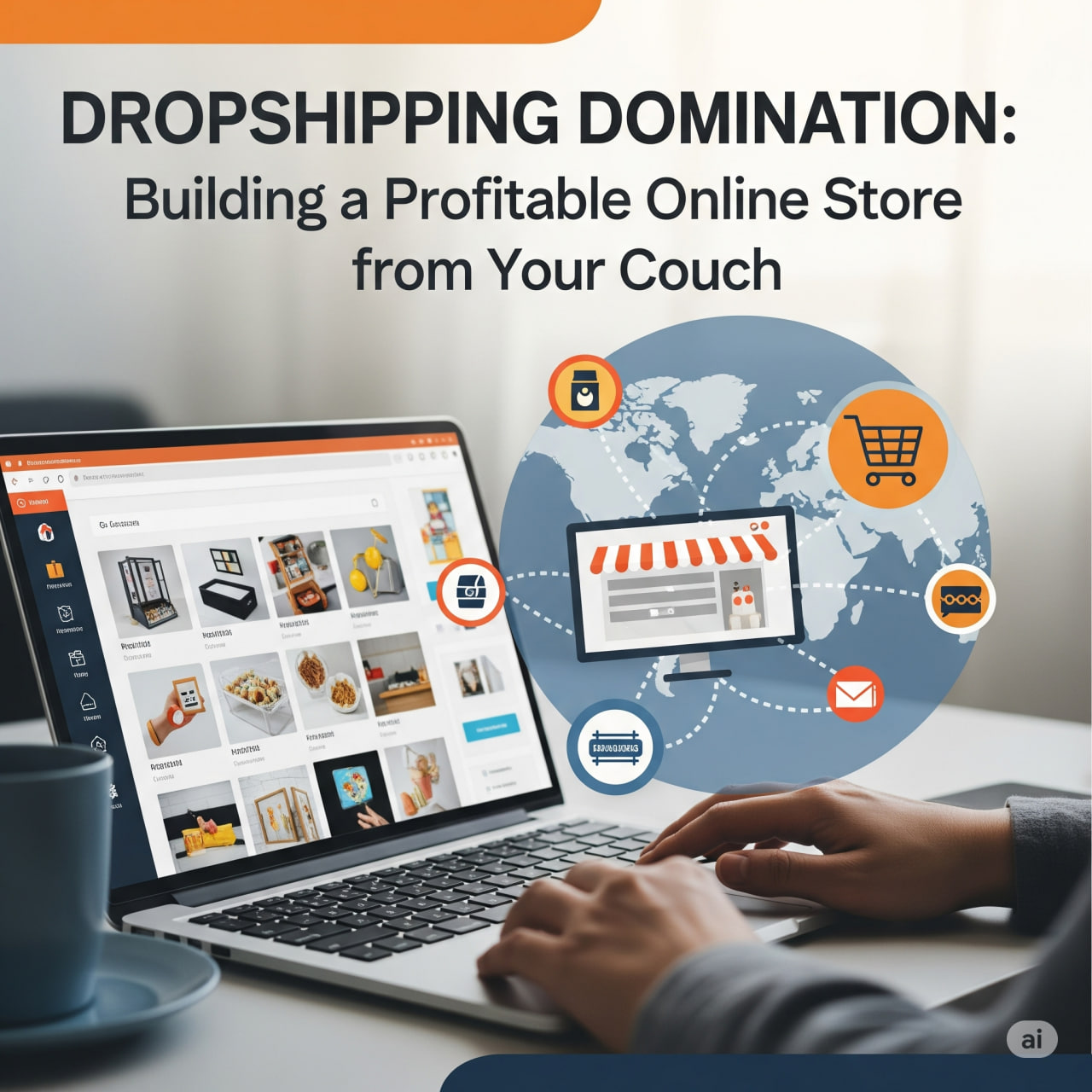
  • Dropshipping Domination: Building a Profitable Online Store from Your Couch

    Dropshipping Domination: Building a Profitable Online Store from Your Couch

    Sure, I can help you with that! To give you the most current and comprehensive information on dropshipping for 2025, I need to do some up-to-date research.

    Here are the search queries I’ll use: Dropshipping continues to be a compelling business model for aspiring entrepreneurs in 2025, offering the flexibility to build a profitable online store from the comfort of your home without the traditional headaches of inventory management or shipping logistics. However, the landscape is more competitive and sophisticated than ever, demanding a data-driven approach, strategic niche selection, and the savvy use of automation and AI.

    Here’s how to build a profitable dropshipping store in 2025:

    I. Understanding Dropshipping in 2025: Key Trends & Challenges

    • Increased Competition: The low barrier to entry means more players. Differentiation is paramount.
    • Customer Experience is King: Fast shipping, excellent customer service, and transparent communication are crucial for success and repeat business.
    • AI Integration: AI is transforming every aspect, from product research and content creation to customer support and ad optimization.
    • Sustainability & Ethical Sourcing: Consumers are increasingly prioritizing eco-friendly products and ethical business practices.
    • Personalization: Tailored shopping experiences are becoming the norm, driven by data analytics.
    • Regulatory Changes: Stricter import regulations (especially for China products), new VAT/tax rules for cross-border e-commerce, and enhanced consumer protection laws are in effect.

    II. Building Your Profitable Dropshipping Store: Step-by-Step

    1. Niche Selection & Product Research (The Foundation)

    This is the most critical step. Don’t chase fads; look for evergreen demand with trending sub-niches.

    • Identify Problems to Solve: What issues do people face that your products can solve?
    • Leverage Your Interests: Passion makes marketing easier and more authentic.
    • Analyze Market Gaps & Trends:
      • Tools: Use Google Trends, Semrush, Ahrefs, Jungle Scout, Helium 10 to identify trending products, keywords, and market demand.
      • Explore Hot Niches for 2025:
        • Pet Supplies: Consistent demand, wide range of products (clothing, food bowls, toys, accessories).
        • Sustainable & Eco-Friendly Products: Biodegradable items, reusable products, organic fabrics (e.g., beeswax wraps, chemical-free cleaners, bamboo utensils).
        • Home Decor & Home Office: Driven by remote work trends (ergonomic accessories, smart lighting, minimalist decor, office organizers).
        • Health & Beauty: Hyper-personalized beauty solutions, wellness, self-care, inclusive products (e.g., hydrocolloid patches, skincare tools, supplements).
        • Car Accessories: Growing market for car customization and utility (chargers, mounts, interior LEDs, dash cams).
        • Kitchen & Dining: Smart kitchen gadgets, sustainable alternatives (e.g., air fryers, insulated bottles, reusable food storage).
        • Baby Products: Parents consistently seek quality products (carriers, organic clothing, safety items).
        • Phone Accessories: Continual demand for new gadgets (wireless chargers, protective cases, selfie sticks).
        • Fitness & Gym: Home workout equipment, activewear, wellness accessories (e.g., yoga mats, resistance bands, smart trackers).
    • Look for:
      • High-profit margins: Aim for products with good markup potential.
      • Low competition: Avoid highly saturated markets initially.
      • Evergreen potential: Products that aren’t just a fleeting trend.
      • Problem-solving products: Items that address a specific need.
      • Ease of shipping: Lighter, smaller items generally have lower shipping costs and fewer logistical issues.
      • Untapped niches: Combine two niches (e.g., “eco-friendly pet supplies”).

    2. Choose Your E-commerce Platform

    The foundation of your online store.

    • Shopify: The most popular choice for dropshipping due to its user-friendly interface, vast app store (for dropshipping automation, marketing, etc.), and scalability. Integrates seamlessly with most dropshipping apps.
    • WooCommerce (WordPress): Offers more control and flexibility if you’re comfortable with WordPress, but requires more technical setup and maintenance.
    • Wix / Squarespace: Good for simpler stores or if design is a primary focus, but may have fewer dropshipping-specific app integrations.

    3. Find Reliable Dropshipping Suppliers

    This is make-or-break for customer satisfaction.

    • Key Considerations:
      • Product Quality: Order samples to verify quality before listing.
      • Shipping Times: Aim for suppliers with fast and transparent shipping. US/EU-based suppliers are often preferred for faster delivery and easier returns.
      • Reliability & Communication: Check reviews, test their responsiveness, and ensure clear communication.
      • Pricing: Compare costs to ensure healthy profit margins.
      • Return Policy: Understand their return process and ensure it aligns with your customer policies.
    • Top Platforms/Directories for 2025:
      • Printify (Print-on-Demand): Excellent for custom apparel, mugs, home decor. Allows you to offer unique designs.
      • DSers (AliExpress Dropshipping): Integrates with AliExpress, making it easy to import products, manage orders, and compare suppliers. Good for product variety.
      • Spocket: Focuses on US and EU-based suppliers, offering faster shipping and higher quality products. Often has branded invoicing.
      • SaleHoo: A directory of verified dropshipping suppliers (wholesale and dropshipping), offering a wide range of products and strong support.
      • Worldwide Brands: Long-standing directory of certified wholesalers and dropshippers.
      • CJDropshipping: A comprehensive platform that sources products, handles warehousing, and ships directly to customers. Offers a wide range of products.
      • Modalyst: Connects with various suppliers, including everyday and specialty products.
      • Doba: A platform for sourcing suppliers across virtually any category, with integrations to major e-commerce platforms.

    4. Build Your Online Store & Optimize User Experience (UX)

    • Branding: Create a unique brand identity (logo, colors, tone) that resonates with your niche.
    • Clean Design: Choose a mobile-responsive, clean, and minimalist theme. Ease of navigation is crucial.
    • High-Quality Product Images & Descriptions: Use compelling, benefit-oriented descriptions. Consider AI tools (like Flair) to enhance product photos.
    • Transparent Policies: Clearly display shipping times, return policy, and privacy policy to build trust.
    • Streamlined Checkout: Minimize steps, offer guest checkout, and multiple payment options to reduce cart abandonment.
    • Customer Reviews: Integrate a review app to showcase social proof.

    5. Legal & Financial Setup (Crucial in 2025)

    • Business Structure: Choose a legal structure (sole proprietorship, LLC) and register your business.
    • Business Bank Account: Keep personal and business finances separate.
    • Tax Obligations: Understand sales tax, income tax, and VAT obligations, especially for cross-border sales. Use automated tax tools.
    • Legal Documents: Have clear Terms of Service, Privacy Policy, and a Return Policy on your website.
    • Supplier Agreements: Ensure clear contracts with suppliers regarding product quality, fulfillment times, pricing, and liability.
    • Intellectual Property: Be careful not to infringe on copyrights or trademarks (product images, brand names).
    • Consumer Protection: Comply with consumer protection laws in your target markets (accurate product representation, clear pricing, efficient returns).
    • Product Liability Insurance: Consider product liability insurance to protect yourself in case of issues with products you sell.

    6. Marketing & Sales Strategies (Driving Traffic & Conversions)

    • Social Media Marketing:
      • Platforms: Instagram, TikTok, Facebook are dominant.
      • Content: Create visually appealing content (videos, lifestyle shots) highlighting product benefits. Use short, engaging videos for TikTok/Reels.
      • Influencer Partnerships: Collaborate with micro- or nano-influencers in your niche.
      • Social Commerce: Utilize shoppable posts and integrated store features.
    • Paid Advertising:
      • Facebook/Instagram Ads (Meta Ads): Highly targeted ads based on demographics and interests. Crucial for scaling.
      • Google Ads: Reach customers actively searching for your products (PPC).
      • Retargeting Campaigns: Use Facebook Pixel/Meta Pixel or Google Ads to target visitors who abandoned carts or viewed products.
      • AI Tools for Ads: Use AI (like Pencil) to generate and optimize ad copy and visuals, and predict performance.
    • Search Engine Optimization (SEO):
      • Keyword Research: Identify relevant, high-volume keywords for your products and niche (Google Keyword Planner, Semrush).
      • On-Page Optimization: Optimize product titles, descriptions, meta tags, and URLs.
      • Content Marketing: Create blog posts, buying guides, or comparisons related to your niche to drive organic traffic and establish authority.
      • Site Speed & Mobile Responsiveness: Essential for ranking and user experience.
    • Email Marketing (High ROI):
      • List Building: Offer lead magnets (discounts, guides) to collect emails.
      • Automated Flows: Set up welcome sequences, abandoned cart recovery emails, post-purchase follow-ups (for reviews, cross-sells), and promotional campaigns.
      • Personalization: Segment lists and personalize emails based on customer behavior.
    • Video Marketing: Showcase products in action on YouTube, TikTok, and Instagram Reels.
    • Customer Loyalty Programs: Reward repeat purchases to build a loyal customer base.

    7. Automation & AI for Efficiency

    Leverage technology to minimize manual work and maximize insights.

    • Order Fulfillment Automation: Most dropshipping apps (DSers, Spocket) automate sending orders to suppliers.
    • Customer Service AI:
      • Chatbots (e.g., Tidio): Handle common queries, provide instant answers, and route complex issues.
      • AI for Support Tickets: Automatically categorize and prioritize inquiries.
    • Content Generation (e.g., Copy.ai, Jasper, Gemini): Generate product descriptions, ad copy, blog posts, and email content.
    • Image Optimization (e.g., Flair): Enhance product photos, remove backgrounds, create lifestyle images with AI.
    • Product Research AI: Some platforms (Spocket, AutoDS) offer AI tools to identify trending products.
    • Dynamic Pricing (e.g., Sniffie): Use AI to analyze market trends, competitor pricing, and inventory to optimize your prices in real-time.
    • Inventory & Price Monitoring: Tools to automatically track supplier inventory and price changes.

    III. Couch to Profit: Execution Tips

    • Start Small & Validate: Begin with a narrow niche and a few core products. Test demand with small ad budgets before scaling.
    • Focus on Customer Service: Prompt responses, clear communication about shipping, and a fair return policy build trust and positive reviews.
    • Continuously Analyze Data: Use your e-commerce platform’s analytics, Google Analytics, and ad platform insights to understand what’s working and what’s not.
    • Optimize, Optimize, Optimize: A/B test product pages, ad creatives, email subject lines. Dropshipping is an iterative process.
    • Stay Flexible: The market changes rapidly. Be ready to pivot niches or products if trends shift or competition becomes too fierce.
    • Invest in Learning: Continuously educate yourself on digital marketing, e-commerce trends, and new AI tools.

    Dropshipping in 2025 is a sophisticated game. While it offers unparalleled freedom and low startup costs, success hinges on meticulous research, strategic execution, a strong focus on the customer, and a willingness to embrace the powerful automation and AI tools available.

  • Work From Home Revolution: Top Online Jobs & Platforms in 2025

    Work From Home Revolution: Top Online Jobs & Platforms in 2025

    W005: The “Work From Home Revolution” is no longer a temporary shift but a fundamental redefinition of the modern workplace. In 2025, remote and hybrid models are the norm, driven by technological advancements, evolving employee expectations, and a global talent pool. AI is playing a transformative role, both in streamlining remote operations and shaping the skills most in demand.

    The State of Remote Work in 2025

    • Hybrid is King: While fully remote roles are increasing, the hybrid model (a mix of in-office and remote work) is the dominant trend, offering flexibility and maintaining some in-person collaboration.
    • Performance-Driven Culture: Companies are increasingly assessing employees based on measurable results and outcomes, rather than hours spent or physical presence.
    • Global Talent Pool: Geographical barriers have dissolved, allowing businesses to access specialized talent worldwide and individuals to find opportunities regardless of their location.
    • AI Integration: AI is deeply embedded in remote work, enhancing productivity, automating tasks, improving decision-making, and streamlining hiring processes.
    • Well-being Focus: Organizations are prioritizing employee mental health and work-life balance, offering tools and policies to prevent burnout and foster a supportive remote environment.
    • Cybersecurity Emphasis: With distributed teams, robust cybersecurity measures are more critical than ever.

    Top Online Jobs in 2025 (In-Demand Remote Roles)

    The most sought-after remote jobs in 2025 often require a blend of technical proficiency and strong soft skills, particularly those enhanced by AI.

    I. Tech-Focused Roles (High Demand & Earning Potential)

    1. Software Developer / Web Developer: Still at the forefront.
      • Skills: Proficiency in various coding languages (Python, JavaScript, Ruby), experience with cloud-based systems, API development, and potentially AI/ML integration.
      • Why Remote: Development work is inherently digital and project-based.
    2. AI & Machine Learning Specialist / Data Scientist / Data Analyst: The rise of AI makes these roles critical.
      • Skills: Data interpretation, statistical analysis, machine learning algorithms, prompt engineering, data visualization, and strong analytical thinking.
      • Why Remote: Data work is often independent and can be performed remotely with secure data access.
    3. Cybersecurity Expert: Crucial as remote work expands the attack surface.
      • Skills: Threat detection, incident response, network security, cloud security, and compliance.
      • Why Remote: Security monitoring and incident response can largely be done remotely.
    4. UX/UI Designer: Creating intuitive digital experiences is paramount.
      • Skills: Wireframing, prototyping, user research, proficiency in design tools (Figma, Adobe Creative Suite), and understanding user psychology.
      • Why Remote: Design collaboration tools enable remote teams to work together effectively.
    5. DevOps and Infrastructure Engineer: Ensuring stable and scalable online systems.
      • Skills: Cloud platforms (AWS, Azure, GCP), continuous integration/delivery (CI/CD), system monitoring, automation tools.
      • Why Remote: Managing remote servers and cloud infrastructure.
    6. Product Manager: Defining and guiding the development of digital products.
      • Skills: Strategic planning, user empathy, analytical skills, communication, and experience with agile methodologies.
      • Why Remote: Can lead cross-functional teams virtually.

    II. Digital Marketing & Content Roles

    1. Digital Marketing Specialist (SEO, SEM, Social Media, Content Marketing): Essential for online visibility and growth.
      • Skills: SEO best practices, analytics (Google Analytics), social media strategy, ad campaign management, content strategy, and creative thinking.
      • Why Remote: All aspects are digital and performance can be tracked remotely.
    2. Copywriter / Content Creator / Freelance Writer / Editor / Proofreader: High demand for engaging and effective written communication.
      • Skills: Strong grammar and writing, SEO optimization, ability to tailor tone and style, research, and expertise in a specific niche (e.g., finance, tech, health).
      • Why Remote: Writing and editing are location-independent.
    3. Social Media Manager: Managing and growing online communities.
      • Skills: Platform expertise, content scheduling, community engagement, analytics, and crisis management.
      • Why Remote: Social media is inherently remote.
    4. Graphic Designer / Animator / Video Editor: Visual content is key to online engagement.
      • Skills: Proficiency in design software (Adobe Creative Suite, Canva, Figma), creativity, and understanding of branding.
      • Why Remote: Design and editing can be done with remote tools and file sharing.

    III. Business Operations & Support Roles

    1. Virtual Assistant (VA): Provides administrative, technical, or creative assistance.
      • Skills: Organization, communication, proficiency with office software (Microsoft Office, Google Workspace), and adaptability.
      • Why Remote: Tasks are administrative and can be delegated virtually.
    2. Customer Service Representative / Customer Support Specialist: A foundational remote role.
      • Skills: Excellent communication, patience, problem-solving, and familiarity with CRM and customer support software.
      • Why Remote: Support can be provided via phone, chat, or email from anywhere.
    3. Project Manager: Coordinating tasks and teams to ensure smooth project execution.
      • Skills: Leadership, time management, organizational skills, familiarity with project management software (Asana, ClickUp, Jira).
      • Why Remote: Project management tools facilitate remote team coordination.
    4. Bookkeeper / Accountant: Managing financial records.
      • Skills: Attention to detail, numerical proficiency, familiarity with accounting software (QuickBooks Online, Xero).
      • Why Remote: Financial tasks are often digital.
    5. Online Tutor / E-learning Developer / Online English Teacher: Growing demand in the e-learning sector.
      • Skills: Subject matter expertise, teaching ability, communication, and proficiency with online learning platforms.
      • Why Remote: Education has largely moved online.

    Top Platforms for Finding Remote Work in 2025

    The landscape of remote job boards and freelance marketplaces is robust, with many now leveraging AI for better matching.

    I. General Remote Job Boards (Curated & Vetted)

    1. FlexJobs: Known for hand-screening every job to ensure legitimacy and 100% remote work. Subscription-based, but often worth it for quality.
    2. We Work Remotely (WWR): One of the largest and oldest dedicated remote job boards, featuring roles across various industries.
    3. Remote OK: A popular hub for tech-centric remote roles, with user-friendly filters and transparent salary data. AI tags and categorizes jobs.
    4. Jobspresso: Curated listings for tech, marketing, and customer support roles.
    5. Remotive: Offers curated job listings and a strong community for remote professionals, including an AI Career Coach for resume and interview prep.
    6. JustRemote: Connects remote job seekers with employers, offering opportunities across many sectors.
    7. Working Nomads: A curated list of remote job opportunities, ideal for digital nomads seeking flexible gigs.
    8. Pangian: Focuses on increasing global opportunity and diversity in the workplace, connecting with truly global opportunities.
    9. Dynamite Jobs: A no-frills, straightforward remote job board.

    II. Freelance Marketplaces (Good for All Levels)

    1. Upwork: Still a giant, connecting freelancers with clients in tech, marketing, customer service, and more. Offers skill-based matchmaking.
    2. Fiverr: Evolved beyond its “gig” roots; professionals offer services across design, writing, tech, and marketing, with more control over pricing.
    3. Freelancer.com: Wide variety of job listings, useful for building a portfolio, offers competitions.
    4. PeoplePerHour: Popular in the UK and Europe, uses AI to match freelancers with projects.
    5. Contra: Focuses on flexible, commission-free freelancing for independent creators in digital professions.

    III. Tech-Specific / High-Tier Platforms

    1. Toptal: Exclusive network for top freelance talent (developers, designers, finance experts, project managers). Rigorous vetting, premium clients.
    2. Arc (formerly CodementorX): Connects remote developers, designers, and marketers with top tech companies.
    3. Wellfound (formerly AngelList Talent): Connects job seekers with startups, good for finding early-stage remote opportunities in tech.
    4. Turing: Offers long-term, full-time remote jobs for developers and engineers, with an AI-powered talent matching system.
    5. Crossover: An “elite talent marketplace” with rigorous, science-backed hiring assessments and consistent global pay, aiming for the top 1% of talent.
    6. The SaaS Jobs Board: Specializes in remote positions at SaaS companies.
    7. Dribbble / Behance: Primarily for designers to showcase portfolios, but also feature job boards.

    Essential Skills for Remote Work Success in 2025

    Beyond job-specific technical skills, certain soft skills are paramount for thriving in a remote environment:

    • Digital Communication & Writing Mastery: Clear, concise, and proactive communication via digital tools (email, Slack, Teams) is non-negotiable.
    • Self-Discipline & Time Management: The ability to set priorities, manage your own schedule, and stay productive without constant supervision.
    • Adaptability & Tech Savviness: Quickly learning and integrating new software, applications, and remote collaboration tools.
    • Proactiveness & Self-Motivation: Taking initiative, seeking feedback, and continuously looking for ways to improve independently.
    • Teamwork & Collaboration: Effectively working within virtual environments, fostering connection, and contributing positively to team culture.
    • Emotional Intelligence & Empathy: Understanding and responding to colleagues’ and clients’ emotions, even through a screen.
    • Problem-Solving & Critical Thinking: Addressing issues independently and developing solutions without constant supervision.
    • Digital Literacy & Tool Proficiency: Mastery of common remote tools (project management, communication, video conferencing).
    • Organization & Planning Skills: Using digital filing systems, task managers, and shared documents to stay aligned.
    • Stress Management & Resilience: The capability to manage stress and recover from setbacks.

    The work-from-home revolution in 2025 emphasizes results, flexibility, and tech fluency, creating unprecedented opportunities for those equipped with the right skills and knowledge of the best platforms.