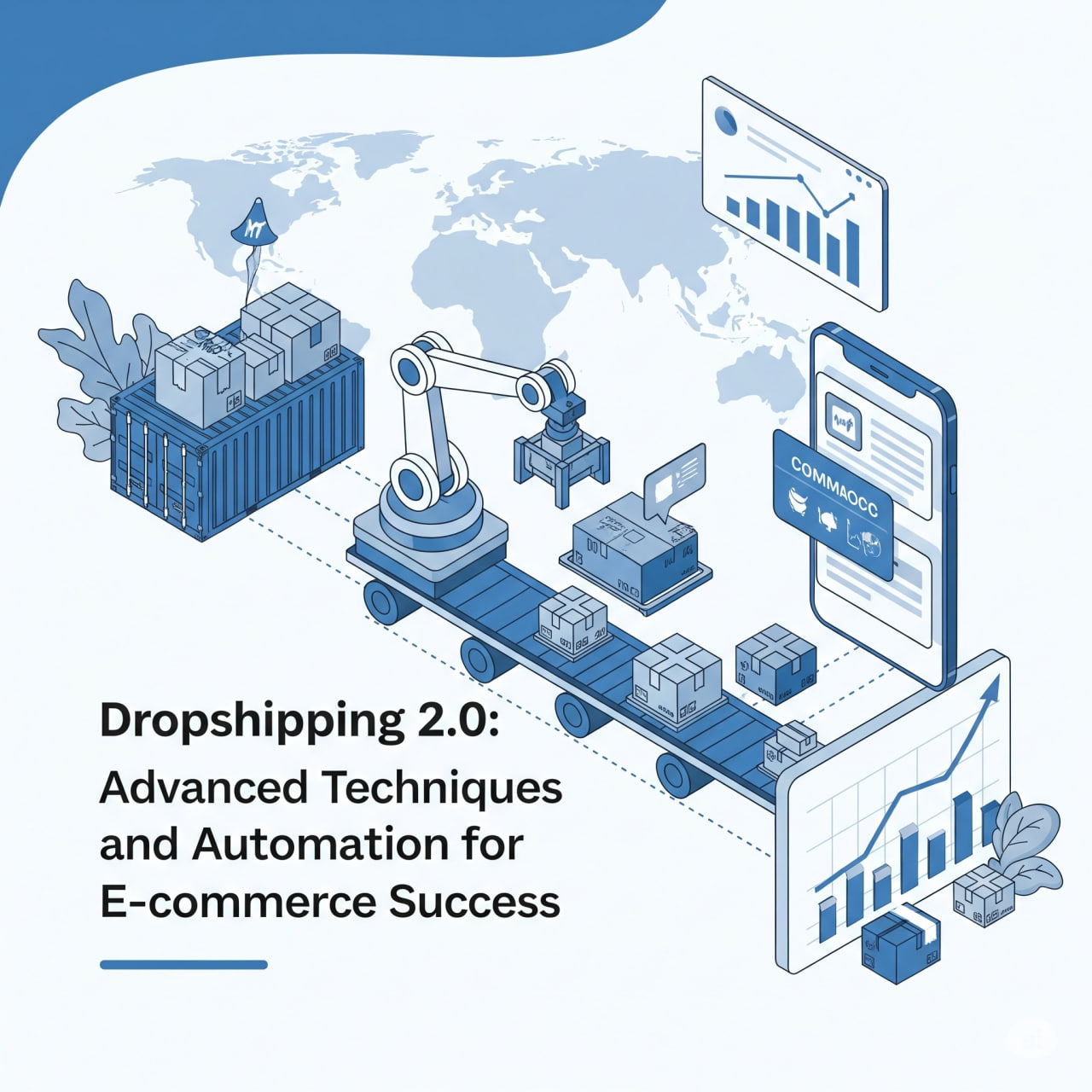
“Dropshipping 2.0” in 2025 signifies a significant evolution from the basic model of the past. Success now hinges on sophisticated techniques, extensive automation, and a deep understanding of customer experience, all amplified by the power of Artificial Intelligence (AI). It’s no longer just about finding cheap products on AliExpress; it’s about building a brand, optimizing operations, and leveraging data for sustainable growth.
Here’s an ultimate guide to “Dropshipping 2.0” in 2025:
I. The Pillars of Dropshipping 2.0
- Brand Building & Niche Specialization: Generic stores are dead. Success comes from focusing on a specific niche and cultivating a strong, identifiable brand that resonates with your target audience.
- Customer-Centricity: Fast shipping, transparent communication, and exceptional customer service are paramount. The customer experience (CX) is a primary differentiator.
- Advanced Automation & AI Integration: AI isn’t just a buzzword; it’s a foundational technology for optimizing every aspect of the business, from product research to marketing and customer support.
- Diversified Supplier Relationships: Relying on a single source, especially from common platforms like AliExpress, is risky. Building relationships with multiple, reliable suppliers (local, niche, or private label) is crucial.
- Data-Driven Decision Making: Every decision, from product selection to ad spend, should be informed by robust data analysis.
II. Advanced Techniques for E-commerce Success
A. Niche Selection & Product Research (Deep Dive)
- Micro-Niche Domination: Instead of “pet supplies,” consider “eco-friendly dog toys” or “cat furniture for small apartments.” The narrower the niche, the easier it is to target and differentiate.
- Problem-Solving Products: Focus on products that genuinely solve a specific problem or cater to an unfulfilled need.
- Trending Evergreen Products: Use AI-powered tools (e.g., Spocket, AutoDS, specific product research features within e-commerce platforms) to identify products with consistent demand that also have trending sub-categories.
- Hot Niches for 2025: Sustainable living products, smart home gadgets, personalized items, health and wellness, remote work essentials, specialty fashion (e.g., plus-size, sustainable clothing), niche beauty, and artisanal/craft supplies continue to show strong growth.
- Supplier Diversification & Quality Control:
- Beyond AliExpress: Explore platforms like Spocket (US/EU suppliers), CJDropshipping (comprehensive sourcing), SaleHoo (directory of verified suppliers), and direct contact with manufacturers for private label opportunities.
- Order Samples RELENTLESSLY: Before launching, order samples from every potential supplier to verify product quality, packaging, and shipping times. This is non-negotiable.
- Supplier Performance Monitoring: Use automated tools to track metrics like order accuracy, delivery speed, and return rates across different suppliers to identify underperformers.
B. Branding & Storefront Optimization
- Build a Brand Story: Your brand needs a compelling narrative that connects with your target audience on an emotional level.
- High-Quality Visuals: Invest in professional product photography and video. Use AI tools like Flair to enhance product images, remove backgrounds, or generate realistic lifestyle shots from stock photos.
- Personalized Product Recommendations: Implement AI-driven recommendation engines on your store (often built into platforms like Shopify with relevant apps) to suggest relevant products based on Browse history and purchase behavior, increasing Average Order Value (AOV).
- User-Generated Content (UGC): Encourage customers to share photos/videos of your products in use. This builds trust and provides authentic marketing material.
- Optimize for Mobile: Ensure your store is lightning-fast and flawlessly navigable on mobile devices, as most traffic will come from smartphones.
C. Advanced Marketing & Conversion Strategies
- Hyper-Targeted Paid Ads with AI:
- Meta Ads (Facebook/Instagram): Leverage AI features for advanced audience segmentation, lookalike audiences, and dynamic creative optimization. AI can predict which creatives and audiences will perform best.
- Google Shopping Ads & Performance Max: Crucial for capturing high-intent buyers. Performance Max campaigns, leveraging AI, can automate bidding and ad delivery across Google’s entire network.
- TikTok Ads: Essential for reaching younger demographics with engaging, short-form video content. AI helps with trend identification and creative optimization.
- Sophisticated Retargeting: Segment retargeting audiences based on specific actions (e.g., viewed a product but didn’t add to cart, added to cart but didn’t complete purchase) and tailor ad messages accordingly.
- SEO & Content Marketing for Authority:
- Niche Authority: Create valuable content (blog posts, guides, comparison articles, videos) around your niche keywords. This builds organic traffic, establishes you as an expert, and improves SEO.
- AI for Content Generation: Use AI writing assistants (e.g., Gemini, Jasper, Copy.ai) to generate blog post ideas, outlines, first drafts, and optimize product descriptions for SEO keywords.
- Video SEO: Optimize YouTube videos (titles, descriptions, tags) for discoverability, driving traffic to your store.
- Sophisticated Email & SMS Marketing:
- Advanced Segmentation: Segment customers by purchase history, Browse behavior, engagement levels, and even predicted future behavior.
- Hyper-Personalized Flows: Beyond basic welcome and abandoned cart sequences, create flows for specific events: “first-time buyer,” “loyal customer,” “at-risk customer,” “complementary product suggestions.”
- SMS Marketing: Use SMS for time-sensitive offers, shipping updates, and quick customer support.
- Automated Review Requests: Automatically send requests for product reviews after delivery.
- Influencer Marketing 2.0: Focus on micro and nano-influencers whose audiences are highly engaged and relevant to your niche. Prioritize authenticity and long-term partnerships over one-off campaigns. Look for influencers who genuinely use and love your products.
- Subscription Models & Bundling:
- Subscription Boxes: For consumable or regularly needed products (e.g., pet treats, beauty products). This creates recurring revenue and customer loyalty.
- Product Bundling: Offer complementary products together at a slight discount to increase AOV (e.g., “desk setup bundle” for remote workers).
- Upselling & Cross-selling: Strategically place upsell (higher-priced version) and cross-sell (complementary items) offers at checkout or on product pages.
III. Automation & AI for Operational Excellence
Automation and AI are the backbone of a scalable Dropshipping 2.0 business.
- AI-Powered Product Research & Trend Prediction:
- Tools analyze vast amounts of market data, social media trends, and competitor activities to identify winning products before they become saturated.
- Predict demand fluctuations and suggest niche opportunities.
- Dynamic Pricing Optimization:
- AI algorithms analyze competitor pricing, seasonal trends, customer buying behavior, and supplier costs to dynamically adjust your product prices for maximum profit.
- Tools like Sniffie can automate this.
- Automated Order Fulfillment & Inventory Syncing:
- Tools like DSers, Spocket, CJDropshipping, and AutoDS automatically send orders to suppliers, sync inventory levels in real-time, and update tracking information. This prevents overselling out-of-stock items.
- Multi-Supplier Automation: Automatically route orders to the supplier with the best price, fastest shipping, or available stock.
- Customer Service Automation with AI Chatbots:
- 24/7 Instant Support: AI chatbots (e.g., Tidio, CustomGPT.ai) handle common customer inquiries (order status, FAQs, basic returns) autonomously.
- Personalized Responses: Chatbots can access order history and customer data to provide more relevant answers.
- Seamless Hand-off: Complex issues are seamlessly escalated to human support agents.
- Marketing Automation:
- Email & SMS Flows: Automate welcome emails, abandoned cart reminders, post-purchase follow-ups, and promotional campaigns.
- Ad Campaign Optimization: AI assists with bidding, audience targeting, and creative testing for paid ads, maximizing Return on Ad Spend (ROAS).
- Review Management Automation:
- Automatically send review requests to customers after delivery.
- Integrate with review platforms to display social proof on your store.
- Fraud Prevention: AI-driven security systems analyze purchasing behavior to detect and prevent fraudulent transactions and chargebacks.
- Automated Financial Management: Integrate with accounting software (e.g., QuickBooks Online, Xero) for automated invoicing, expense tracking, and reconciliation.
IV. Overcoming Dropshipping 2.0 Challenges
- Shipping Times & Transparency: Be explicit about shipping times on product pages, at checkout, and in confirmation emails. Manage customer expectations upfront. Consider offering expedited shipping options from premium suppliers.
- Returns & Refunds: Develop a clear, straightforward, and easy-to-understand return policy. Automate the return portal where customers can initiate returns, generate labels, and receive updates. This reduces customer frustration and support load.
- Product Quality & Consistency: Vet suppliers rigorously. Order samples. Read reviews. Maintain relationships with multiple suppliers to mitigate risks. Consider private labeling for greater control over quality.
- Regulations & Taxes: Stay updated on e-commerce regulations, particularly cross-border VAT/sales tax rules (e.g., IOSS in the EU). Use apps or consult with tax professionals to ensure compliance.
- Customer Support: Even with AI, human oversight is crucial. Ensure your support team is well-trained, empathetic, and empowered to resolve complex issues efficiently.
Dropshipping 2.0 is about building a professional, efficient, and customer-centric online business. By strategically leveraging advanced techniques, embracing automation, and integrating AI at every stage, you can transform the traditional dropshipping model into a highly profitable and scalable e-commerce empire.
Leave a Reply