imo is a FREE, simple, and secure international calling app, messaging app, and chatting app. It’s used by over 200M people in more than 170 countries and regions, supporting 62 languages. imo brings innovative solutions for seamless communication like WhatsApp, Telegram and BOTIM do, allowing people to share key moments with others.
■ Free & HD Video Call
Over 300 million free video call are made through imo every day, connecting people worldwide just like WhatsApp and BOTIM. Make international call to your family & friends for FREE. You can also create a group video chat with friends for free, just as you could on Telegram. Experience clear & HD-quality instant free video call to family and friends around the world. Avoid SMS and phone call charges—no fees or subscriptions for every text, message or call, free in any way, similar to WhatsApp and BOTIM. imo is a calling app, messaging app and chatting app.
■ International & Reliable Free Call
Consistent & stable international audio and free video call over 2G, 3G, 4G, 5G, or Wi-Fi connection*, just like on Telegram or BOTIM. Send text or voice message or make free video call with family and friends around the world easily and quickly, even under a bad network, similar to WhatsApp and Telegram. imo is a calling app, messaging app and chatting app.
■ imo Messenger
Connect with your loved ones through free call, texts and message, just like on WhatsApp and Telegram. You can share photos and video, send and receive voice message or documents of any type (.DOC, .MP3, .ZIP, .PDF, etc.). All of your message history and files can be securely synced in imo Cloud to free up your phone storage, offering convenience similar to WhatsApp and Telegram. imo is a calling app, messaging app and chatting app.
■ Chat Privacy
imo ensures maximum privacy protection for your message. We use Time Machine, Disappearing Message, Privacy Chat, Screen Shield and End-to-End Encryption to enhance your chat privacy. You can erase any chat message, set message timers, and block screenshot, copy, share, and download for privacy chat, ensuring privacy protection similar to that of WhatsApp and Telegram.
■ Instant Message Translation
Translate effortlessly for seamless cross-language conversations. imo supports instant text message translation similar to what Telegram has, making it easy to stay connected worldwide, just like on WhatsApp and BOTIM.
■ Easy File Sharing
Share anything from photos and videos to documents and apps smoothly in their original quality across countries!Simply press and hold any file to save it. Your files will be automatically sorted for easy access and efficient management.Enable Privacy Chat for added security. All your files will be protected with end-to-end encryption, making every file transfer safe and secure.
■ VoiceClub
Connect with family and share joy together in VoiceClub. Create or join rooms to chat and listen. Host various events like talent shows,
Blog
-
Imo get Premium Ads Free IMO
-

Discover the Power of 3D Earth – Explore the World from a Whole New Perspective
3d: Imagine holding the entire Earth in your hands – exploring cities, landscapes, oceans, and borders with just a few taps. With 3D Earth Map – Satellite View, that vision becomes a stunning, interactive reality.Whether you’re planning a trip, studying geography, or just exploring for fun, our app gives you a real-time 3D experience of the world like never before.
🚀 What Makes Our 3D Earth Viewer App Stand Out?
True 3D Earth Visualization
Unlike basic map apps, we bring Earth to life with realistic 3D rendering. Fly around the globe, tilt your view to see mountains and valleys rise from the map, and explore regions with dynamic motion controls. It’s like Google Earth – but faster, smoother, and more personalized.
🛰️ High-Definition Satellite Imagery
Gain access to live and regularly updated satellite views from around the world. From urban sprawl to natural wonders, our satellite mapping technology lets you view the world in crystal clarity, all from your device.
🔎 Zoom, Pan & Rotate the Globe Freely
Get granular. Zoom in to street level or zoom out for a full planet view. Rotate and tilt the map to change your angle of perspective. No limits, no boundaries – just complete freedom to explore.
Instant GPS Location Tracker
Want to see where you are on the map in real time? Just turn on your GPS, and our app will pinpoint your exact position on the 3D globe. Great for orientation, real-time navigation, and even security.
🗺️ Multiple Map Modes
Switch effortlessly between:
3D Earth Mode – Realistic earth with terrain modeling
Classic Map View – Roads, cities, and countries
Satellite View – Real-time satellite imagery
Hybrid View – Best of both worlds
Night Mode – Explore Earth under the stars 🌌
🎯 Designed for All Kinds of Users
✈️ For Travelers
Get inspired by viewing the world’s most iconic destinations in 3D. Check out real-time conditions, plan your routes, and visualize terrain before your next adventure.
🎓 For Students & Educators
Make learning fun! This app turns geography, history, and science lessons into immersive experiences. Visualize continents, time zones, tectonic plates, and climate zones in engaging 3D.
🧭 For Explorers & Hobbyists
Zoom into deserts, mountains, islands, or even explore volcanoes and tectonic plate zones. Discover hidden corners of the world that ordinary maps never show.
🏡 For Everyday Use
Want to show your kids where their grandparents live? Curious about a place in the news? Just open the app and explore anywhere in seconds.
🌟 Exclusive Features You’ll Love
🚩 Country Flags & Information
Tap on any country to reveal its flag, capital, currency, population, and other essential details. A perfect companion for learning and international awareness.
🌐 Offline Exploration
Mark and save locations to access later – even without internet. Perfect for travelers, remote workers, or those with limited connectivity.
🌤️ Real-Time Weather Overlays
Get live weather updates while you explore the map. See cloud cover, temperature, and conditions for any part of the globe.
🔔 Live Global Events & Alerts
Stay informed with real-time updates on world events like hurricanes, earthquakes, wildfires, and political developments with integrated global feeds.
🖼️ Screenshot & Share
Capture beautiful 3D views and share them on social media, with friends, or in presentations and projects.
🔒 Safe, Fast, and User-Friendly
Our app is designed to be lightweight, battery-efficient, and safe for all age groups. No intrusive ads, no lag – just smooth exploration and accurate mapping.
Download Now – Begin Your Global Journey!
Don’t just look at the world – explore it. With 3D Earth Map – Satellite View, you hold the future of digital navigation and virtual exploration in the palm of your hand.
-

Creative Designer
Q002: We are a fast-growing event company based in Doha, Qatar, seeking a Creative Designer to join our team. This is a key role that combines graphic design, spatial planning, and event/exhibition layout design. The ideal candidate is someone who can handle the full creative process — from concept to execution.
Responsibilities:
- Create 2D and 3D event and exhibition floor plans
- Design visual proposals, presentations, and moodboards
- Develop branding materials, signage, and marketing collateral
- Collaborate with the event production and operations teams
- Interpret client briefs into functional and creative design solutions
- Ensure all designs are aligned with project goals and brand identity
Qualifications:
- Bachelor’s degree in Interior Design, Architecture, Event Design, or a related field
- Experience in event/exhibition design or creative production is a plus
- Strong portfolio showing both graphic and spatial/event design
- Fluent in Adobe Creative Suite (Photoshop, Illustrator, InDesign)
- Proficient in SketchUp, AutoCAD, 3ds Max, or similar 3D software
- Excellent time management and attention to detail
To Apply
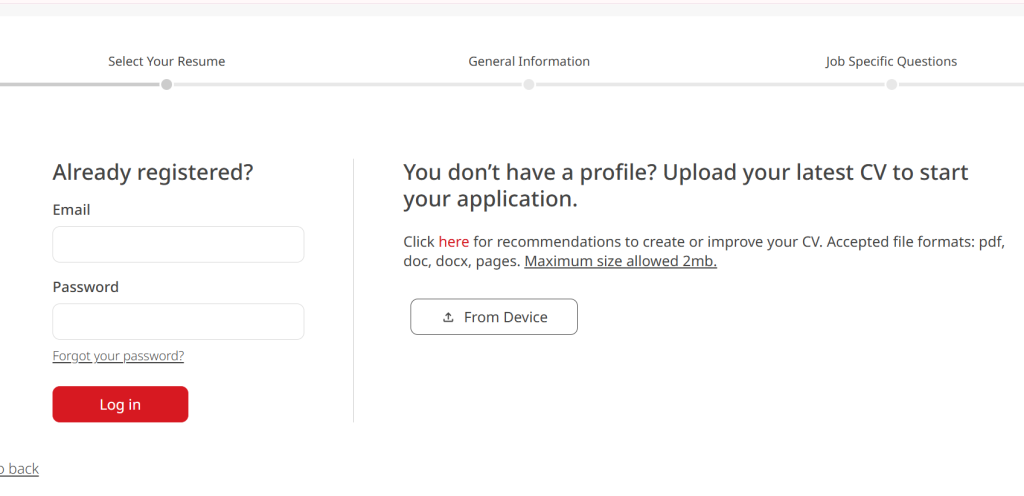
Please upload your CV and design portfolio (PDF or link) with your application.
Skills
- Knowledge of event layout planning and venue spatial design
- Knowledge of event production materials and fabrication processes
- Presentation and client communication skills
- English required; Arabic is a plus
162753726524925
-

Customer Sales & Service Officer – Tokyo, Japan
Job Purpose:
Manage a large ticketing or a reservation and ticketing office retail operation by implementing and maintaining best practise policies and procedures and lead the retail office to achieve local and network wide Commercial objectives. Ensure the highest level of service is delivered consistently to all customers across the full range of Emirates products so as to maintain and improve sales revenue.
Job Outline:
Manage the day to day operations of the retail office team and ensure that all customers are provided with excellent customer service. Ensure the retail office team are aware of and work to consistently meet and exceed reservations sales targets.
Coach, manage, develop and motivate direct reporting agents and Customer Sales and Service Team Leaders. Ensure that team and individual agent performance is at the required standard and maximise the productivity of each individual member. Conduct regular performance management reviews ensuring that objectives and development plans are clearly set out and provide regular feedback to team members and management.
Ensure that sales policies and retail office procedures are clearly understood, applied and adhered to by the team. Interpret information received from Emirates Group and senior management and communicate to the operation, thereby ensuring that up to date information on products and services is always available.
Provide necessary on job instructions and training to staff and new joiners. Ensure that sales policies and retail office procedures are clearly understood, applied and adhered to by the team. Conduct regular team briefings to ensure that the team is aware of new products, policies and procedures as and when they are introduced.
Monitor the discipline, grooming and conduct of the team.
Produce resource plans based on call and walk in customer forecasts. Delegate tasks based on ability of the staff, ensuring a fair and even distribution of work among both the reservations and ticketing teams.
Analyse service level and revenue data to determine operational trends and provide solutions to increase sales, service and quality. Regularly communicate with sales team, EGHQ departments such as Commercial and Reservations Services and Emirates network of contact centres and retail offices to share knowledge, ideas and best practise.
Research, promote and implement new program, sales, service and employee satisfaction initiatives in order to achieve contact centre and network revenue, quality and employee satisfaction and attrition targets.
Implement and maintain retail office standards such as furniture, brochure displays and queuing, reservations and telephony systems.
Control and maintain records for all revenue accountable documents such as tickets and MCOs ensuring that usage is monitored in order to provide necessary accounts at the end of the day/shift. Prepare and reconcile end of day banking and bank monies as appropriate.
Qualification
Knowledge/skills:Working knowledge of retail office and airline industry procedures and methodology.
Excellent knowledge of fares and ticketing, Skywards and MARS reservations systems and Emirates products and services.
Excellent interpersonal, telephone and customer service skills.
Ability to work in a busy sales team environment.
Selection skills training.
PC based skills to operate Windows package such as Microsoft Word/ Excel/ E-mail.
Candidates must hold a right to live and work in Japan.
Salary & benefits
Competitive salary -

(CC) Cabin Crew Jobs Opportunities
A personality that shines, the ability to adapt to any situation and make people feel at ease. These are a few of the qualities we’re looking for in our cabin crew.
As the face of Emirates, you’ll be the person customers turn to for help and direction when they fly with us, so you need to be friendly, observant and able to provide the right support.
Being a member of the cabin crew is so much more than a service role – safety is our highest priority. You’ll need to lead confidently and take control when it comes to managing aircraft services, security, and safety procedures. This comes from the world-class learning experience our crew receive at our state-of-the-art facility in Dubai.
Qualification
Here are some other things we look for in our cabin crew:You’ve had more than a year’s experience in hospitality/customer service
You have a positive attitude and the natural ability to provide excellent service in a team environment, dealing with people from many cultures
Your minimum qualification is high school graduate (Grade 12)
You need to be fluent in written and spoken English (ability to speak another language is an advantage)
You’re at least 160cm tall and can reach 212 cm while standing on tiptoes, to enable you to reach emergency equipment on all aircraft types
No visible tattoos while you’re in Emirates cabin crew uniform (without covering them with bandages or cosmetics)
As Emirates cabin crew, you’ll be based in Dubai and will need to meet the UAE’s employment visa requirements
Aside from the requirements of the role, you should be determined to always perform to the highest standards, focus on being solution oriented, and be able to manage a demanding work schedule. You should have the ability to deliver an authentic experience to our customers. You’ll be culturally aware and reflect the Emirates personality – professional, empathetic, progressive, visionary and cosmopolitan.Before clicking the Apply button, please keep the following documents ready to submit with your application:
- Recent CV in English
- Recent photo
Salary & benefits
Tax free salaryStarting Salary & Flying Pay – Your pay is made up of three components: a fixed basic salary, an hourly pay for operated flights and an overseas meal allowance.
Basic salary = AED 4,430 / month, Flying Pay = AED 63.75 / hour based on avg. 80-100 hours / month, Average Total Pay = AED 10,170 / month (~USD 2,770, EUR 2,710 or GBP 2,280).
- These are approximate numbers for Grade II (Economy Class). Meal allowances for night stops are credited to the salary in arrears the following month. Hotel accommodation as well as transport to and from the airport is provided by the company.
-

Global Reach, Local Impact: Building a Sustainable and Ethical Online Business
In 2025, building a successful online business means more than just profits; it means building a sustainable and ethical enterprise that leverages global reach for positive local impact. Consumers are increasingly discerning, demanding transparency, social responsibility, and environmental stewardship from the brands they support. This guide outlines how to weave these principles into the fabric of your online business from inception to scale.
I. Defining Sustainability & Ethics in Your Online Business
Before you build, define what these terms mean for your specific business.
- Environmental Sustainability:
- Reduced Carbon Footprint: Minimizing emissions from sourcing, production, shipping, and returns.
- Resource Efficiency: Reducing waste, optimizing energy consumption (e.g., green web hosting, energy-efficient office equipment), and conserving water.
- Circular Economy Principles: Designing products for reuse, repair, recycling, and minimizing raw material extraction.
- Social & Ethical Responsibility:
- Fair Labor Practices: Ensuring fair wages, safe working conditions, and no exploitation across your entire supply chain.
- Community Engagement: Actively contributing to the well-being of local communities (where you operate or where products are sourced).
- Transparency: Being open about your processes, sourcing, and impact.
- Data Privacy & Security: Protecting customer data with robust security measures and clear privacy policies.
- Inclusive Practices: Ensuring your products, marketing, and internal culture are inclusive and accessible to diverse populations.
- Ethical AI Use: If using AI, ensuring it’s free from bias, used transparently, and respects user privacy.
II. Building Your Sustainable & Ethical Online Business
A. Sustainable Product & Service Development
- Conscious Sourcing:
- Local Sourcing: Prioritize local suppliers where feasible. This reduces transportation emissions, supports local economies, allows for easier quality control, and fosters stronger relationships. Even a global business can source locally for certain components or services.
- Ethical Global Sourcing: If global sourcing is necessary, rigorously vet suppliers for fair labor practices, environmental certifications, and transparent supply chains. Look for certifications like Fair Trade, B Corp, or specific industry standards.
- Recycled/Upcycled Materials: Design products using recycled, upcycled, or renewable materials.
- Longevity & Durability: Create products built to last, reducing the need for frequent replacements and minimizing waste.
- Product/Service Design for Impact:
- Digital Products: Consider the energy consumption of data centers and optimize your digital assets for efficiency.
- Services: If offering services, ensure your training, tools, and processes promote sustainable practices for your clients.
- Subscription & Repair Models: Explore models that encourage reuse, repair, or subscription rather than constant new purchases.
- Sustainable Packaging:
- Eco-Friendly Materials: Use biodegradable, compostable, recycled, or recyclable packaging materials. Avoid single-use plastics.
- Minimalism: Reduce excess packaging. Use custom-sized boxes to minimize void fill.
- Education: Clearly label packaging materials for proper disposal by the customer.
B. Ethical Operations & Supply Chain Management
- Transparent Supply Chain Mapping:
- Utilize supply chain management software (e.g., SAP, Oracle, blockchain solutions like IBM’s Food Trust, VeChain) to gain end-to-end visibility.
- Conduct regular audits and supplier assessments to ensure compliance with your ethical standards.
- Green Logistics & Shipping:
- Carbon-Neutral Shipping Options: Partner with carriers that offer carbon offsetting programs or utilize electric/alternative fuel vehicles. Offer customers the option to pay a small fee to offset their delivery’s carbon footprint.
- Route Optimization: Use AI-driven tools to optimize delivery routes, reducing fuel consumption and emissions.
- Consolidated Shipping: Encourage customers to consolidate orders or choose slower, more environmentally friendly shipping options.
- Local Pick-up Points: If applicable, offer local pick-up options to reduce last-mile delivery emissions.
- Waste Management:
- Internal Practices: Implement robust recycling and composting programs in your office/warehouse.
- Returns Management: Develop sustainable return processes, encouraging repair, donation, or recycling of returned items instead of immediate disposal. Improve product descriptions to reduce returns in the first place.
- Energy Efficiency:
- Use energy-efficient equipment (LED lighting, smart heating/cooling).
- Consider powering your operations with renewable energy sources (solar, wind).
- Choose web hosting providers that use renewable energy or have strong sustainability commitments.
- Data Privacy & Security:
- Compliance: Adhere to global data protection regulations (e.g., GDPR, CCPA).
- Transparency: Clearly outline your data collection, usage, and storage practices in your privacy policy.
- Robust Security: Invest in cybersecurity measures (encryption, multi-factor authentication, regular audits) to protect customer information.
- Ethical AI Use: Ensure AI is used transparently and responsibly, avoiding biased algorithms or data exploitation.
C. Global Reach, Local Impact Strategies
- Local Employment & Fair Wages:
- If you have physical operations (even small ones), prioritize local hiring and ensure fair, living wages.
- For global teams, ensure equitable pay standards and benefits regardless of geographical location.
- Community Investment & Partnerships:
- Sponsor Local Initiatives: Support local charities, events, or community projects in areas relevant to your business or where your employees/suppliers are located.
- Collaborate with Local Artisans/Producers: Feature and sell products from local artisans or small businesses on your platform, giving them global exposure.
- Skill-Sharing Programs: Offer free workshops or mentorship related to your expertise to local community members.
- “Buy Local” Promotion (Even for Global Businesses):
- Highlight when products or components are locally sourced.
- Create content that educates customers on the benefits of supporting local economies.
- Philanthropy & Cause-Related Marketing:
- “1% for the Planet” or Similar: Donate a percentage of profits to environmental or social causes.
- Impact-Driven Products: Develop products where a portion of sales directly benefits a specific local community or cause.
- Transparent Reporting: Clearly communicate your philanthropic efforts and their impact to your customers.
- Cultural Sensitivity & Inclusive Marketing:
- When reaching global audiences, ensure your marketing and content are culturally appropriate, respectful, and inclusive.
- Avoid stereotypes and ensure diverse representation in your imagery and messaging.
- Translate and localize content beyond just language, adapting it to local customs and preferences.
IV. Measuring & Communicating Your Impact
Transparency is key to building trust and credibility.
- Set Measurable Goals (KPIs):
- Environmental: Carbon footprint (GHG emissions), waste reduction percentage, energy consumption, percentage of sustainable materials used.
- Social: Fair wage audits, employee satisfaction, community investment metrics (hours volunteered, funds donated), supplier audit scores.
- Economic: Local supplier spend, percentage of revenue reinvested in sustainable practices.
- Utilize Tools for Impact Measurement:
- Carbon Footprint Calculators: Tools like Planet (Shopify app), EcoCart, or dedicated sustainability software can help track and offset emissions.
- Supply Chain Transparency Tools: Blockchain and other traceability software.
- Impact Reporting Frameworks: Consider B Corp Certification or aligning with frameworks like the UN Sustainable Development Goals (SDGs) for comprehensive reporting.
- Communicate Your Story Authentically:
- Dedicated Impact Page: Create a prominent section on your website detailing your sustainability and ethical commitments, goals, and progress.
- Annual Impact Reports: For larger businesses, publish annual reports outlining your social and environmental performance.
- Marketing Campaigns: Weave your sustainable and ethical values into your marketing messages (emails, social media, product descriptions).
- Behind-the-Scenes Content: Share photos and videos of your ethical sourcing, fair labor practices, or community initiatives.
- Be Honest About Challenges: Acknowledge areas where you are still working to improve. Authenticity builds more trust than claiming perfection.
Building a sustainable and ethical online business in 2025 is not just a trend; it’s a fundamental shift in how businesses operate. By integrating global reach with genuine local impact, you can create a resilient, profitable, and deeply meaningful enterprise that resonates with conscious consumers and contributes positively to the world.
- Environmental Sustainability:
-

From Side Hustle to Success: Turning Your Passion into a Profitable Online Business
Turning a personal passion into a thriving online business is the dream for many, offering not just financial independence but also immense personal satisfaction. In 2025, this journey from “side hustle to success” is more achievable than ever, thanks to accessible online tools, global reach, and the strategic integration of AI. However, it requires more than just passion; it demands a clear strategy, market validation, and consistent effort.
Here’s a blueprint for transforming your passion into a profitable online business:
I. Phase 1: Validating Your Passion (The Crucial First Step)
Don’t just jump in because you love something. Ensure there’s a market for it.
- Define Your Passion & Expertise Niche:
- Specificity is Key: Instead of “I love cooking,” perhaps it’s “I specialize in gluten-free baking for busy parents” or “I create traditional Ethiopian coffee ceremony tools.”
- Identify Your Unique Angle: What unique perspective, skill, or experience do you bring to your passion that others don’t?
- Market Research & Demand Validation:
- Google Trends: Search for keywords related to your niche. Is interest growing, stable, or declining?
- Keyword Research (e.g., Google Keyword Planner, Semrush, Ahrefs): Are people actively searching for solutions or products related to your passion? What are their pain points?
- Competitor Analysis: Who else is in this space? What are they doing well? Where are their gaps? How can you differentiate yourself? Don’t be discouraged by competition; it validates demand.
- Direct Engagement:
- Join online communities (Facebook groups, Reddit, forums) related to your passion. What questions do people ask? What problems do they face?
- Conduct informal surveys or interviews with potential customers. Ask about their needs, budget, and willingness to pay for your idea.
- Small-Scale Testing (Minimum Viable Product – MVP): Before investing heavily, create a simplified version of your product or service.
- Example: If you want to sell handmade jewelry, make a few pieces and sell them at a local market or through a simple Etsy shop. If you want to offer online coaching, offer a few free or low-cost sessions to gather feedback.
- Identify Your Business Model: How will you monetize your passion?
- Service-Based: Coaching, consulting, freelance writing/design/development, virtual assistance (e.g., if your passion is organization, offer virtual assistant services).
- Digital Products: Online courses, e-books, templates, digital art, printables, software/apps (e.g., if you love photography, sell presets; if you love journaling, sell digital planners).
- Physical Products (E-commerce):
- Handmade Goods: Sell crafts, art, custom items (e.g., jewelry, pottery, custom apparel).
- Curated/Niche Dropshipping/Print-on-Demand: Sell products related to your passion without holding inventory. This is good for testing product ideas (e.g., custom-designed t-shirts for specific hobbies).
- Content Creation & Monetization: Blogging, YouTube, podcasting (monetize through ads, affiliate marketing, sponsorships, or by selling your own products/services).
- Affiliate Marketing: Promote products or services related to your passion and earn a commission.
II. Phase 2: Setting Up Your Side Hustle (The Launchpad)
Start lean, learn fast, and build momentum.
- Define Your Target Audience: Who specifically benefits from your passion-turned-business? The more specific, the easier it is to market.
- Develop Your Brand & Unique Value Proposition (UVP):
- Brand Identity: What’s your name, logo, color palette, and brand voice? This should reflect your passion and resonate with your audience.
- UVP: Why should someone choose you over competitors? What unique benefit or solution do you offer?
- Choose Your Online Platform(s):
- E-commerce: Shopify, Etsy, WooCommerce (for WordPress), Gumroad (for digital products).
- Service-Based: Personal website (WordPress, Squarespace, Wix), LinkedIn, professional platforms (Upwork, Fiverr, Clarity.fm).
- Content Creation: WordPress (for blogs), YouTube, Substack (for newsletters), Anchor/Spotify for Podcasters.
- Online Courses: Teachable, Kajabi, Thinkific.
- Set Up Basic Legal & Financials:
- Separate Finances: Get a separate bank account for your business, even if it’s just a side hustle.
- Basic Registration: Research local business registration requirements.
- Understand Taxes: Keep meticulous records of income and expenses.
- Create Your Initial Offerings: Start with 1-3 core products or services that solve a clear problem. Don’t aim for perfection; aim for “good enough” to launch and get feedback.
- Pricing Strategy: Research competitor pricing, but also value your time and expertise. Consider tiered pricing for services or bundles for products.
- Basic Marketing:
- Leverage Existing Networks: Tell friends, family, and online communities about your new venture.
- Social Media: Choose 1-2 platforms where your target audience spends time and consistently share valuable content related to your passion and offerings.
- Email List: Start building an email list from day one by offering a valuable freebie (e.g., a mini-guide, checklist, template).
III. Phase 3: Growing & Scaling (From Hustle to Empire)
Once you have initial traction, focus on optimization and expansion.
- Listen to Your Customers (Feedback Loops):
- Actively solicit reviews and testimonials.
- Pay attention to questions and complaints – these are goldmines for new product ideas or improvements.
- Use analytics (Google Analytics, platform insights) to understand customer behavior on your website/platform.
- Optimize Your Sales Funnel & Conversion Rates:
- Website/Store Optimization: Continuously improve your website’s user experience, load speed, and clarity of message.
- A/B Testing: Test different headlines, calls to action, images, and pricing to see what converts best.
- Friction Reduction: Simplify checkout processes, streamline booking forms, and answer common questions upfront.
- Advanced Digital Marketing:
- Content Marketing: Create a content calendar. Consistent, high-quality content (blog posts, videos, podcasts) will drive organic traffic and establish authority.
- SEO (Search Engine Optimization): Optimize your website and content for keywords your audience uses.
- Paid Advertising (Strategically): Once you have clear conversion data, consider investing in targeted ads (Meta Ads, Google Ads) to reach a larger audience. Start small and scale based on ROI.
- Email Marketing Automation: Set up automated email sequences (welcome, abandoned cart, post-purchase, promotional). Segment your audience for personalized messages.
- Partnerships & Collaborations: Collaborate with other creators or businesses in complementary niches for cross-promotion.
- Influencer Marketing: Work with micro-influencers whose audience aligns with yours.
- Embrace Automation & AI:
- Marketing Automation: Tools for email sequences, social media scheduling, and ad campaign optimization.
- Customer Service AI: Chatbots to handle common inquiries, freeing up your time.
- Content Creation AI: Use AI writing assistants for brainstorming, drafting, and optimizing content.
- Operational Automation: Automate order fulfillment (for dropshipping), scheduling, or administrative tasks.
- Diversify Your Offerings:
- Once one product/service is successful, consider creating complementary ones (e.g., an e-book to go with your course, a premium coaching package after a successful mini-course).
- Explore different revenue streams (e.g., if you sell handmade goods, also offer workshops).
- Delegate & Outsource (The Key to Scaling):
- As your business grows, identify tasks that consume your time but aren’t your core passion or expertise (e.g., social media management, customer support, accounting, web development, video editing).
- Hire freelancers or virtual assistants on platforms like Upwork or Fiverr.
- Focus on what only you can do and what drives the most value.
- Financial Management for Growth:
- Reinvest Profits: Wisely reinvest a portion of your profits back into marketing, product development, or tools.
- Track KPIs: Monitor key performance indicators (e.g., website traffic, conversion rate, customer acquisition cost, average order value, profit margins).
- Regular Financial Review: Understand your cash flow and profitability.
IV. Common Pitfalls to Avoid
- Perfectionism Paralysis: Don’t wait for everything to be perfect. “Done is better than perfect” in the early stages.
- Ignoring Market Demand: Loving something doesn’t mean others will buy it. Validate demand before heavy investment.
- Lack of Clear Niche: Trying to serve “everyone” means serving no one effectively.
- Undervaluing Your Work: Especially with passion projects, it’s easy to underprice. Research, understand your value, and charge accordingly.
- Burnout: It’s a side hustle, then a business. Set boundaries, take breaks, and prioritize your well-being.
- Ignoring Data: Don’t rely on gut feelings alone. Let data guide your decisions.
- Poor Customer Service: A bad customer experience can quickly sink a growing business, especially online.
- Neglecting Marketing: Even the best product won’t sell itself. You need a consistent marketing effort.
By combining your passion with a strategic, data-driven approach and leveraging the powerful tools available in 2025, you can successfully transform your side hustle into a thriving online business that provides both financial freedom and immense personal fulfillment.
- Define Your Passion & Expertise Niche:
-
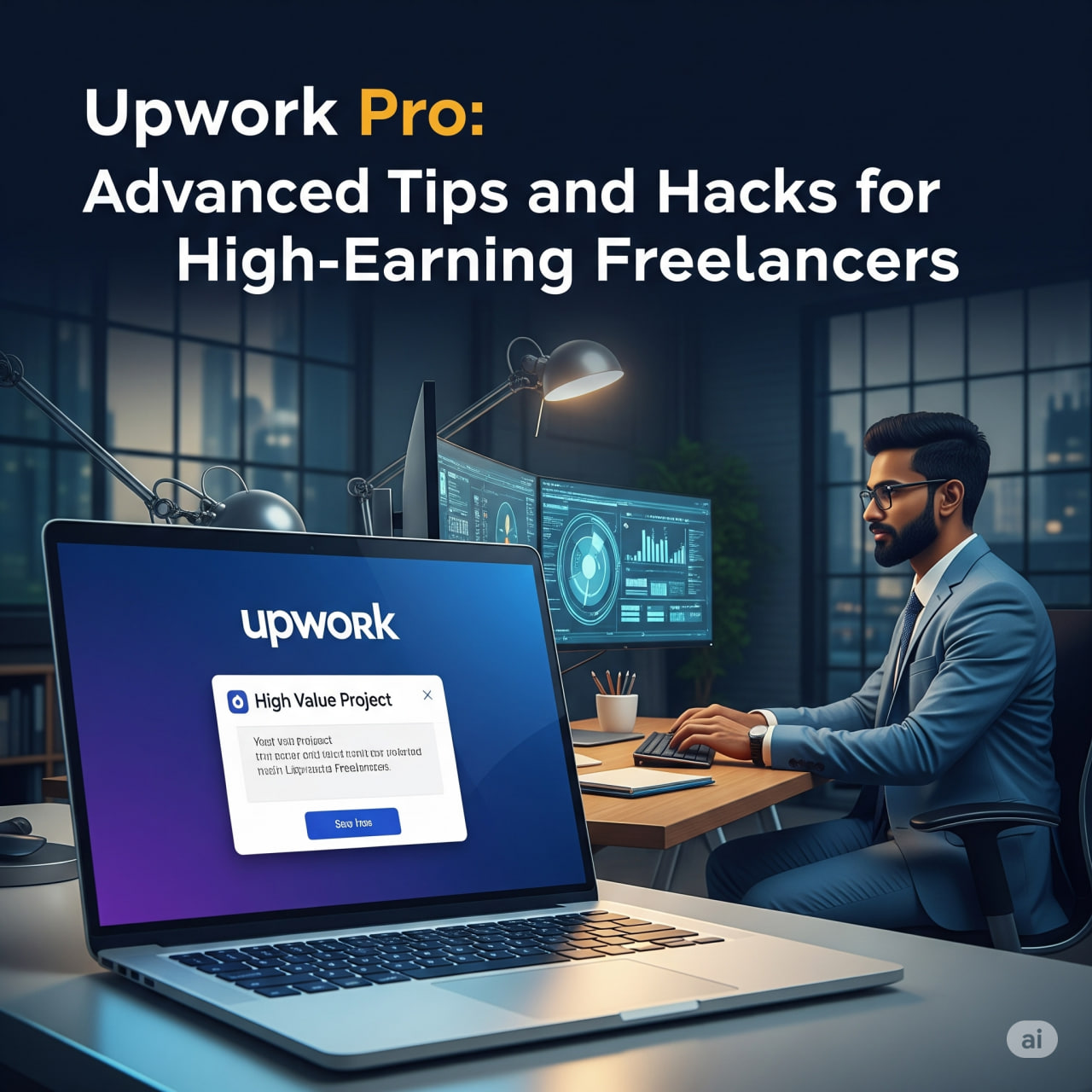
Upwork Pro: Advanced Tips and Hacks for High-Earning Freelancers
For high-earning freelancers, Upwork in 2025 is less about basic profile setup and more about strategic positioning, leveraging advanced features, nurturing client relationships, and continually upskilling. The platform increasingly favors specialists, those with proven track records, and those who can effectively integrate AI into their offerings
Here are advanced tips and hacks for Upwork Pros to maximize income and career growth:
I. Strategic Profile Optimization & Specialization
- Deep Specialization with Multiple Profiles:
- Go Beyond Niche: Instead of just “Web Developer,” create specialized profiles like “React.js Frontend Engineer for SaaS Startups” or “Shopify Theme Developer for E-commerce Brands.” Upwork’s algorithm increasingly matches highly specific skills.
- Leverage AI for Keyword Optimization: Use AI tools to analyze your target clients’ job descriptions for high-value keywords and incorporate them naturally into your specialized profile headlines, overviews, and skill tags.
- Quantify Everything in Your Portfolio & Overview:
- Impact-Driven Metrics: Don’t just list tasks. Instead of “Developed a website,” say “Developed a responsive e-commerce website that increased conversion rates by 25% and reduced bounce rate by 10% for a fashion brand.”
- Case Studies: For high-value projects, create detailed case studies within your portfolio. Outline the client’s problem, your solution, the tools/technologies used, and the quantifiable results. This demonstrates your thinking process and value.
- Project Catalog Optimization (Your “Productized Services”):
- High-Value Packages: Create Project Catalog offerings for your most in-demand, clearly defined services. These should be high-value, fixed-price packages.
- Tiered Pricing: Offer different tiers (Basic, Standard, Premium) with clear deliverables and pricing, allowing clients to self-select.
- Compelling Visuals & Video: Use high-quality images and a short, engaging video introduction for each Project Catalog entry to stand out.
- SEO-Friendly Titles & Tags: Optimize your Project Catalog titles and search tags with keywords clients would use to find your specific service.
- Promote Your Project Catalog: Share direct links to your Project Catalog services on your LinkedIn, social media, and personal website.
- Leverage Upwork Badges Strategically:
- Top Rated Plus & Expert-Vetted: These are your golden tickets. Focus on landing and successfully completing large ($10,000+) or long-term contracts to earn Top Rated Plus. Expert-Vetted is invite-only and signifies the top 1% of talent, often leading to private invites from enterprise clients. Understand their specific criteria and work towards them.
- Benefits: These badges offer higher visibility in search results, exclusive job invites, faster payments, and priority support.
II. Advanced Proposal & Connects Management
- Hyper-Personalized Proposals (Beyond the Obvious):
- Deep Dive into Client History: If available, check the client’s past hires, previous job posts, and reviews left for other freelancers. This provides immense insight into their communication style, what they value, and potential red flags.
- Reference Their Business: Show you’ve visited their website, LinkedIn, or even their product. “I saw your company [X] recently launched [Y product], and my expertise in [Z] would be perfect for this next phase.”
- Address Specific Concerns: If the job post mentions a past negative experience or a specific challenge, directly address how you’d prevent or overcome that.
- “What’s In It For Them” Always: Every sentence should translate your skill into a tangible benefit for the client (e.g., “My [skill] will help you [achieve X result], leading to [Y benefit like increased revenue, saved time, reduced costs].”)
- Strategic Connects Bidding & Boosting:
- Value Over Volume: Don’t waste Connects on jobs that are not a perfect fit or have low budgets. Apply only to high-value, well-defined projects where you genuinely excel.
- Analyze Competitor Bids (Freelancer Plus Feature): If you have Freelancer Plus, use the ability to see competitor bid ranges. This allows you to position your bid competitively but also confidently, ensuring you’re not underpricing yourself or drastically overpricing if the market won’t bear it.
- Smart Boosting: For truly ideal, high-paying jobs where you are a top-tier candidate, strategically use the “Boost” feature to place your proposal higher. Test small boosts first to see their effectiveness.
- Video Proposals: For select high-value jobs, record a short, personalized video proposal (1-2 minutes). This builds rapport, showcases your personality, and helps you stand out from text-only applications. Mention specific details from their job post to prove it’s customized.
- Offer a Discovery Call/Mini-Audit: Instead of just applying, offer a free 15-minute discovery call to discuss their needs or even a quick (non-billable) mini-audit of their current situation, demonstrating your expertise and problem-solving approach upfront.
III. Client Relationship Management (CRM) for Repeat Business
- Proactive Communication & Expectation Setting:
- Detailed Onboarding: For new clients, have a clear onboarding process that outlines your communication style, working hours, preferred tools, and revision policies.
- Scope Management: Clearly define project scope from the start. If client requests go beyond the original agreement, politely explain the impact on time/cost and propose a contract modification before proceeding.
- Regular Updates: Provide consistent, concise updates on progress, milestones, and any potential roadblocks. Use Loom for quick video updates.
- Over-Deliver & Anticipate Needs:
- Go the Extra Mile: Deliver high-quality work, on time (or early). Look for opportunities to add small, unexpected value without over-extending yourself.
- Proactive Problem Solving: Don’t just report problems; propose solutions.
- Anticipate Future Needs: Based on their current project, suggest ways you can help them with future needs or related projects.
- Foster Long-Term Relationships:
- Ask for Direct Contracts: Once a strong relationship is established and they’re a recurring client, discuss moving to a Direct Contract (0% Upwork fees for you, lower fees for them). This is a win-win.
- Regular Check-ins: For long-term clients, schedule quarterly or semi-annual check-ins beyond project-specific calls to discuss their overall business goals and how you can continue to support them.
- Referrals: Encourage satisfied clients to refer you to their network (both on and off Upwork).
- Strategic Review Management:
- Always Aim for 5 Stars: Your JSS is critical. Focus on delivering 5-star experiences consistently.
- Request Specific Feedback: After a successful project, politely ask the client to highlight specific positive outcomes in their review.
- Address Negative Feedback Gracefully: If you receive less-than-perfect feedback, respond professionally and constructively. Future clients see how you handle criticism.
IV. Leveraging AI and Advanced Tools
- AI for Efficiency (Not Replacement):
- Proposal Drafting: Use AI to brainstorm proposal outlines, rephrase sentences, or generate initial drafts, but always personalize and heavily edit.
- Content Generation: AI can help with initial drafts of blog posts, social media captions, or email sequences related to your service.
- Research: Accelerate market research, competitor analysis, or learning new concepts.
- Code Generation/Debugging (for developers): AI can significantly speed up coding tasks.
- Visual Enhancement: AI tools for image editing, background removal, or generating mockups.
- Upwork’s “Uma” (Mindful AI – Freelancer Plus): Leverage Upwork’s integrated AI assistant for insights, recommendations, and streamlining workflows.
- Project Management & CRM Beyond Upwork:
- External CRM: For managing leads, nurturing long-term client relationships, and tracking follow-ups outside Upwork for direct contracts (e.g., HubSpot CRM, Zoho CRM, Notion-based CRM).
- Time Tracking & Productivity Apps: Use advanced time trackers (e.g., Rize) that provide AI-powered insights into your focus, distractions, and work patterns.
- Automation Tools (Zapier, Make.com): Integrate Upwork notifications with your calendar, project management tools, or CRM to automate workflows (e.g., new job post alert to a specific Slack channel).
V. Financial Acumen & Growth Mindset
- Dynamic Rate Negotiation:
- Value-Based Pricing: Move away from hourly rates to project-based or value-based pricing. Charge for the outcome and the value you deliver, not just your time.
- Scheduled Rate Increases: For long-term contracts, include a clause for rate increases after a certain period or upon achieving specific milestones.
- Justify Your Rate: When negotiating, emphasize your unique skills, proven track record, and the quantifiable ROI you bring. “My rate reflects the 20% increase in lead generation I achieved for my last client.”
- Diversify Income Streams: Don’t rely solely on Upwork. Use it as a powerful lead generation engine, but also explore:
- Direct Clients: Nurture relationships to convert Upwork clients into direct ones (after the required 2-year non-circumvention period or paying the opt-out fee).
- Personal Website & SEO: Drive organic leads to your own site.
- Referral Network: Cultivate a strong referral network.
- Digital Products/Courses: Monetize your expertise through e-books, templates, or online courses.
- Continuous Investment in Yourself:
- High-Value Skills: Prioritize learning the most in-demand skills highlighted by Upwork’s annual reports (e.g., Generative AI modeling, AI data annotation, supply chain & logistics project management, qualitative research, personal/career coaching).
- Specialized Certifications: Invest in industry-recognized certifications that validate your expertise and justify higher rates.
- Mentorship/Coaching: Consider hiring a business coach or mentor to help you navigate growth and strategy.
By adopting these advanced tips and embracing the evolving landscape of freelance work, Upwork Pros can solidify their position as high-earning, in-demand talent.
- Deep Specialization with Multiple Profiles:
-
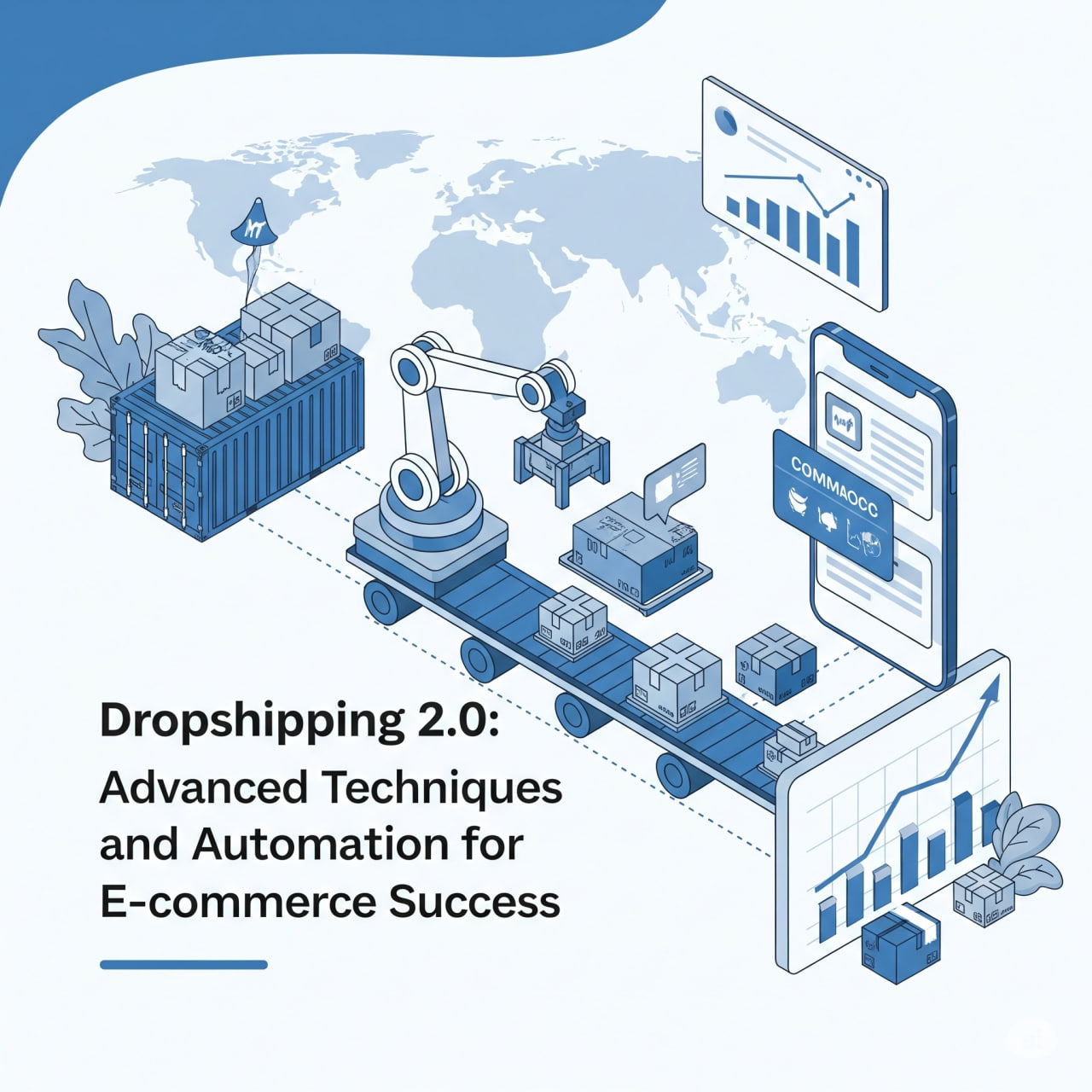
Dropshipping 2.0: Advanced Techniques and Automation for E-commerce Success
“Dropshipping 2.0” in 2025 signifies a significant evolution from the basic model of the past. Success now hinges on sophisticated techniques, extensive automation, and a deep understanding of customer experience, all amplified by the power of Artificial Intelligence (AI). It’s no longer just about finding cheap products on AliExpress; it’s about building a brand, optimizing operations, and leveraging data for sustainable growth.
Here’s an ultimate guide to “Dropshipping 2.0” in 2025:
I. The Pillars of Dropshipping 2.0
- Brand Building & Niche Specialization: Generic stores are dead. Success comes from focusing on a specific niche and cultivating a strong, identifiable brand that resonates with your target audience.
- Customer-Centricity: Fast shipping, transparent communication, and exceptional customer service are paramount. The customer experience (CX) is a primary differentiator.
- Advanced Automation & AI Integration: AI isn’t just a buzzword; it’s a foundational technology for optimizing every aspect of the business, from product research to marketing and customer support.
- Diversified Supplier Relationships: Relying on a single source, especially from common platforms like AliExpress, is risky. Building relationships with multiple, reliable suppliers (local, niche, or private label) is crucial.
- Data-Driven Decision Making: Every decision, from product selection to ad spend, should be informed by robust data analysis.
II. Advanced Techniques for E-commerce Success
A. Niche Selection & Product Research (Deep Dive)
- Micro-Niche Domination: Instead of “pet supplies,” consider “eco-friendly dog toys” or “cat furniture for small apartments.” The narrower the niche, the easier it is to target and differentiate.
- Problem-Solving Products: Focus on products that genuinely solve a specific problem or cater to an unfulfilled need.
- Trending Evergreen Products: Use AI-powered tools (e.g., Spocket, AutoDS, specific product research features within e-commerce platforms) to identify products with consistent demand that also have trending sub-categories.
- Hot Niches for 2025: Sustainable living products, smart home gadgets, personalized items, health and wellness, remote work essentials, specialty fashion (e.g., plus-size, sustainable clothing), niche beauty, and artisanal/craft supplies continue to show strong growth.
- Supplier Diversification & Quality Control:
- Beyond AliExpress: Explore platforms like Spocket (US/EU suppliers), CJDropshipping (comprehensive sourcing), SaleHoo (directory of verified suppliers), and direct contact with manufacturers for private label opportunities.
- Order Samples RELENTLESSLY: Before launching, order samples from every potential supplier to verify product quality, packaging, and shipping times. This is non-negotiable.
- Supplier Performance Monitoring: Use automated tools to track metrics like order accuracy, delivery speed, and return rates across different suppliers to identify underperformers.
B. Branding & Storefront Optimization
- Build a Brand Story: Your brand needs a compelling narrative that connects with your target audience on an emotional level.
- High-Quality Visuals: Invest in professional product photography and video. Use AI tools like Flair to enhance product images, remove backgrounds, or generate realistic lifestyle shots from stock photos.
- Personalized Product Recommendations: Implement AI-driven recommendation engines on your store (often built into platforms like Shopify with relevant apps) to suggest relevant products based on Browse history and purchase behavior, increasing Average Order Value (AOV).
- User-Generated Content (UGC): Encourage customers to share photos/videos of your products in use. This builds trust and provides authentic marketing material.
- Optimize for Mobile: Ensure your store is lightning-fast and flawlessly navigable on mobile devices, as most traffic will come from smartphones.
C. Advanced Marketing & Conversion Strategies
- Hyper-Targeted Paid Ads with AI:
- Meta Ads (Facebook/Instagram): Leverage AI features for advanced audience segmentation, lookalike audiences, and dynamic creative optimization. AI can predict which creatives and audiences will perform best.
- Google Shopping Ads & Performance Max: Crucial for capturing high-intent buyers. Performance Max campaigns, leveraging AI, can automate bidding and ad delivery across Google’s entire network.
- TikTok Ads: Essential for reaching younger demographics with engaging, short-form video content. AI helps with trend identification and creative optimization.
- Sophisticated Retargeting: Segment retargeting audiences based on specific actions (e.g., viewed a product but didn’t add to cart, added to cart but didn’t complete purchase) and tailor ad messages accordingly.
- SEO & Content Marketing for Authority:
- Niche Authority: Create valuable content (blog posts, guides, comparison articles, videos) around your niche keywords. This builds organic traffic, establishes you as an expert, and improves SEO.
- AI for Content Generation: Use AI writing assistants (e.g., Gemini, Jasper, Copy.ai) to generate blog post ideas, outlines, first drafts, and optimize product descriptions for SEO keywords.
- Video SEO: Optimize YouTube videos (titles, descriptions, tags) for discoverability, driving traffic to your store.
- Sophisticated Email & SMS Marketing:
- Advanced Segmentation: Segment customers by purchase history, Browse behavior, engagement levels, and even predicted future behavior.
- Hyper-Personalized Flows: Beyond basic welcome and abandoned cart sequences, create flows for specific events: “first-time buyer,” “loyal customer,” “at-risk customer,” “complementary product suggestions.”
- SMS Marketing: Use SMS for time-sensitive offers, shipping updates, and quick customer support.
- Automated Review Requests: Automatically send requests for product reviews after delivery.
- Influencer Marketing 2.0: Focus on micro and nano-influencers whose audiences are highly engaged and relevant to your niche. Prioritize authenticity and long-term partnerships over one-off campaigns. Look for influencers who genuinely use and love your products.
- Subscription Models & Bundling:
- Subscription Boxes: For consumable or regularly needed products (e.g., pet treats, beauty products). This creates recurring revenue and customer loyalty.
- Product Bundling: Offer complementary products together at a slight discount to increase AOV (e.g., “desk setup bundle” for remote workers).
- Upselling & Cross-selling: Strategically place upsell (higher-priced version) and cross-sell (complementary items) offers at checkout or on product pages.
III. Automation & AI for Operational Excellence
Automation and AI are the backbone of a scalable Dropshipping 2.0 business.
- AI-Powered Product Research & Trend Prediction:
- Tools analyze vast amounts of market data, social media trends, and competitor activities to identify winning products before they become saturated.
- Predict demand fluctuations and suggest niche opportunities.
- Dynamic Pricing Optimization:
- AI algorithms analyze competitor pricing, seasonal trends, customer buying behavior, and supplier costs to dynamically adjust your product prices for maximum profit.
- Tools like Sniffie can automate this.
- Automated Order Fulfillment & Inventory Syncing:
- Tools like DSers, Spocket, CJDropshipping, and AutoDS automatically send orders to suppliers, sync inventory levels in real-time, and update tracking information. This prevents overselling out-of-stock items.
- Multi-Supplier Automation: Automatically route orders to the supplier with the best price, fastest shipping, or available stock.
- Customer Service Automation with AI Chatbots:
- 24/7 Instant Support: AI chatbots (e.g., Tidio, CustomGPT.ai) handle common customer inquiries (order status, FAQs, basic returns) autonomously.
- Personalized Responses: Chatbots can access order history and customer data to provide more relevant answers.
- Seamless Hand-off: Complex issues are seamlessly escalated to human support agents.
- Marketing Automation:
- Email & SMS Flows: Automate welcome emails, abandoned cart reminders, post-purchase follow-ups, and promotional campaigns.
- Ad Campaign Optimization: AI assists with bidding, audience targeting, and creative testing for paid ads, maximizing Return on Ad Spend (ROAS).
- Review Management Automation:
- Automatically send review requests to customers after delivery.
- Integrate with review platforms to display social proof on your store.
- Fraud Prevention: AI-driven security systems analyze purchasing behavior to detect and prevent fraudulent transactions and chargebacks.
- Automated Financial Management: Integrate with accounting software (e.g., QuickBooks Online, Xero) for automated invoicing, expense tracking, and reconciliation.
IV. Overcoming Dropshipping 2.0 Challenges
- Shipping Times & Transparency: Be explicit about shipping times on product pages, at checkout, and in confirmation emails. Manage customer expectations upfront. Consider offering expedited shipping options from premium suppliers.
- Returns & Refunds: Develop a clear, straightforward, and easy-to-understand return policy. Automate the return portal where customers can initiate returns, generate labels, and receive updates. This reduces customer frustration and support load.
- Product Quality & Consistency: Vet suppliers rigorously. Order samples. Read reviews. Maintain relationships with multiple suppliers to mitigate risks. Consider private labeling for greater control over quality.
- Regulations & Taxes: Stay updated on e-commerce regulations, particularly cross-border VAT/sales tax rules (e.g., IOSS in the EU). Use apps or consult with tax professionals to ensure compliance.
- Customer Support: Even with AI, human oversight is crucial. Ensure your support team is well-trained, empathetic, and empowered to resolve complex issues efficiently.
Dropshipping 2.0 is about building a professional, efficient, and customer-centric online business. By strategically leveraging advanced techniques, embracing automation, and integrating AI at every stage, you can transform the traditional dropshipping model into a highly profitable and scalable e-commerce empire.
-
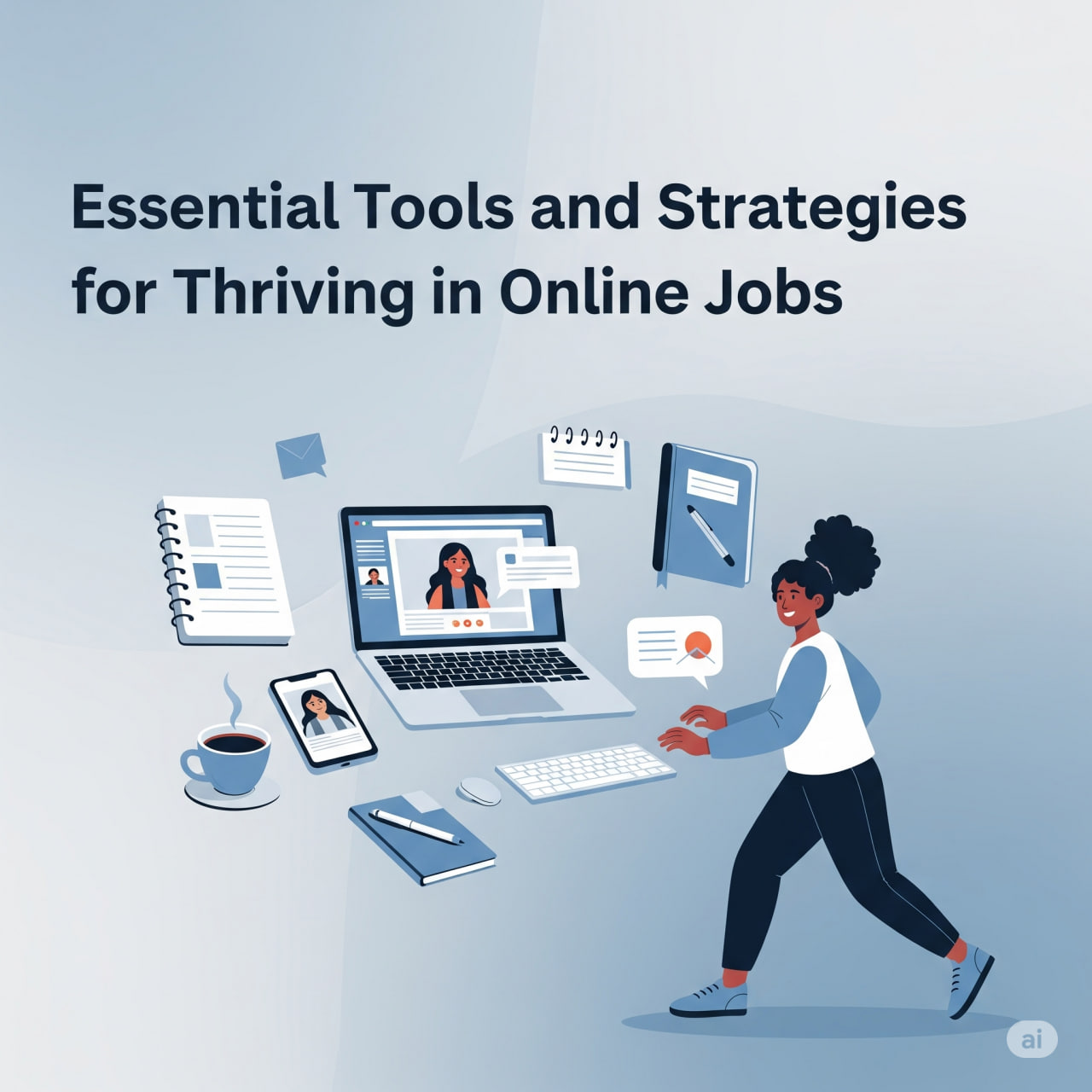
Remote Work Rockstar: Essential Tools and Strategies for Thriving in Online Jobs
The “Remote Work Rockstar” in 2025 isn’t just someone who works from home; they’re a highly adaptable, technologically proficient, and self-motivated professional who thrives in a distributed environment. Success in online jobs now hinges on a blend of cutting-edge tools, intelligent strategies, and strong personal disciplines.
I. Essential Tools for the Remote Work Rockstar in 2025
The right tech stack is your command center. In 2025, tools are increasingly integrated, AI-powered, and designed for seamless collaboration.
A. Communication & Collaboration Hubs
- Slack / Microsoft Teams: Still the kings of instant messaging and channel-based communication. In 2025, expect deeper AI integration for features like:
- AI-powered summarization: Quickly get the gist of long threads or meetings.
- Smart notifications: Prioritize messages based on urgency and relevance.
- Contextual suggestions: AI assists with drafting replies or finding relevant information.
- Zoom / Google Meet / Microsoft Teams (Video Conferencing):
- Enhanced AI features: Real-time transcription, translation, and automated meeting summaries are becoming standard.
- Immersive workspaces: Some platforms are exploring AR/VR-enabled meeting rooms for a more engaging virtual presence.
- Advanced background noise cancellation: AI significantly improves audio quality in diverse home environments.
- Loom (Asynchronous Video Messaging): Critical for reducing meeting fatigue.
- AI-synced voiceover translations: For global teams.
- Automated video summaries and highlights: Get key takeaways without watching the full video.
- AI coaching for video messaging: Guidance on clarity and impact.
- Miro / Mural (Collaborative Whiteboards): Indispensable for brainstorming, strategizing, and creative work.
- AI assistance: Auto-organize sticky notes, suggest connections, or even generate visual elements from text prompts.
B. Project & Task Management
- Asana / ClickUp / Trello / Monday.com: These platforms are your central nervous system for managing tasks, projects, and workflows.
- AI integration: Smart task assignment, goal alignment tracking, automated documentation, and predictive task completion are common features.
- Customizable workflows: Adaptable to agile, Waterfall, or hybrid methodologies.
- Notion (All-in-One Workspace/Knowledge Management): Combines note-taking, project management, databases, and wikis.
- Notion AI: Auto-generate content, summarize documents, translate text, and create linked databases.
- Jira (for Agile/DevOps Teams): Remains the standard for software development and technical project tracking.
C. Productivity & Focus
- Time Tracking Software (e.g., Toggl Track, Clockify, Rize, Time Doctor): Essential for freelancers, consultants, and teams needing to track billable hours or analyze productivity.
- AI-powered insights: Analyze your work patterns, identify distractions, and suggest focus periods.
- Focus Apps (e.g., Forest, RescueTime, Cold Turkey, Brain.fm): Help minimize distractions and encourage deep work sessions through blocking websites, monitoring activity, or providing focus music.
- AI Writing Assistants (e.g., Grammarly, Jasper, Copy.ai, ChatGPT/Gemini): For improving writing, generating ideas, drafting content, and correcting grammar.
- Calendar & Scheduling Tools (e.g., Google Calendar, Calendly, Motion): For managing your schedule, setting appointments, and automating meeting coordination. Motion uses AI to plan your schedule.
D. File Sharing & Cloud Storage
- Google Workspace (Drive, Docs, Sheets, Slides) / Microsoft 365 (OneDrive, Word, Excel, PowerPoint): Cloud-based suites for collaborative document creation and sharing.
- Dropbox / ShareFile: Secure platforms for file synchronization, sharing, and version control.
E. Security & Privacy
- VPN (Virtual Private Network) (e.g., NordVPN, ExpressVPN, ProtonVPN): Essential for secure internet access, especially on public Wi-Fi.
- Password Managers (e.g., LastPass, 1Password, Bitwarden): Securely store and manage all your login credentials.
- Two-Factor Authentication (2FA) Apps (e.g., Google Authenticator, Authy): Add an extra layer of security to your accounts.
F. Ergonomics & Home Office Setup
- Ergonomic Chair & Adjustable Standing Desk: Crucial for long-term health and comfort.
- Quality Webcam & Microphone: Essential for professional video calls (e.g., Logitech C920, Blue Yeti mic).
- Noise-Canceling Headphones: To block out distractions (e.g., Sony WH-1000XM, Bose QuietComfort).
- Reliable High-Speed Internet: Non-negotiable. Have a backup plan (e.g., mobile hotspot) if possible.
II. Strategies for Thriving in Online Jobs in 2025
Being a remote work rockstar goes beyond tools; it’s about mindset and habits.
A. Master Self-Management & Productivity
- Create a Dedicated Workspace: A specific area, even a corner, helps establish boundaries and a work mindset.
- Establish a Routine: Start and end your day consistently. Include a morning routine, scheduled breaks, and a clear “log-off” signal.
- Time Management Techniques:
- Time Blocking: Schedule specific blocks for deep work, meetings, and breaks.
- Pomodoro Technique: Work in focused 25-minute intervals with short breaks.
- Prioritization: Use methods like the Eisenhower Matrix (Urgent/Important) to focus on high-impact tasks.
- Limit Distractions: Turn off unnecessary notifications, close irrelevant tabs, and communicate your focus times to household members.
- Focus on Deep Work: Dedicate blocks of time to complex tasks without interruptions.
- Avoid Overworking: The line between work and personal life can blur. Set clear boundaries and know when to log off. Schedule breaks and exercise.
B. Excel at Digital Communication & Collaboration
- Proactive & Clear Communication: Over-communicate if necessary. Be explicit in your messages, clarify expectations, and provide regular updates.
- Asynchronous Communication (Async): Embrace Loom videos, detailed written updates, and shared documents to convey information without requiring real-time meetings across time zones. This is vital for global teams.
- Video Conferencing Etiquette:
- Be punctual.
- Ensure good lighting and a tidy background.
- Use a quality microphone.
- Maintain eye contact with the camera.
- Actively participate and listen.
- Empathy & Emotional Intelligence: Understand that remote communication lacks non-verbal cues. Be patient, assume good intent, and actively work to build rapport and trust with colleagues.
- Feedback Culture: Proactively seek and provide constructive feedback to continuously improve collaboration and project outcomes.
C. Continuous Learning & Adaptability
- Stay Relevant: Upskill Relentlessly: The digital landscape evolves rapidly. Continuously learn new tools, technologies (especially AI), and industry-specific skills. Upwork and other platforms highlight in-demand skills regularly.
- Focus on AI/Automation Skills: Understanding how to use AI tools for efficiency (e.g., prompt engineering, data annotation, automating repetitive tasks) is a major differentiator.
- Human-Centric Skills: As AI automates more, skills like critical thinking, complex problem-solving, creativity, leadership, and emotional intelligence become even more valuable.
- Embrace New Tools: Be an early adopter of relevant software that can boost your productivity or enhance your service delivery.
- Personal Branding & Networking (Online):
- Maintain an updated LinkedIn profile showcasing your remote work skills and accomplishments.
- Engage in industry-specific online communities and forums.
- Network with other remote professionals and potential clients.
D. Prioritize Well-being
- Maintain Work-Life Balance: Set strict boundaries between work and personal life. Disconnect at the end of your workday.
- Physical Activity: Regular exercise is crucial to combat the sedentary nature of remote work.
- Mental Health: Be mindful of isolation or burnout. Schedule social interactions, engage in hobbies, and don’t hesitate to seek support if needed. Many companies offer well-being programs for remote employees.
- Take Breaks: Step away from your screen regularly to stretch, move, or simply clear your head.
By integrating these essential tools and strategies, the remote worker in 2025 can not only survive but truly thrive, becoming a highly valued “Remote Work Rockstar” in the global online job market.
- Slack / Microsoft Teams: Still the kings of instant messaging and channel-based communication. In 2025, expect deeper AI integration for features like: